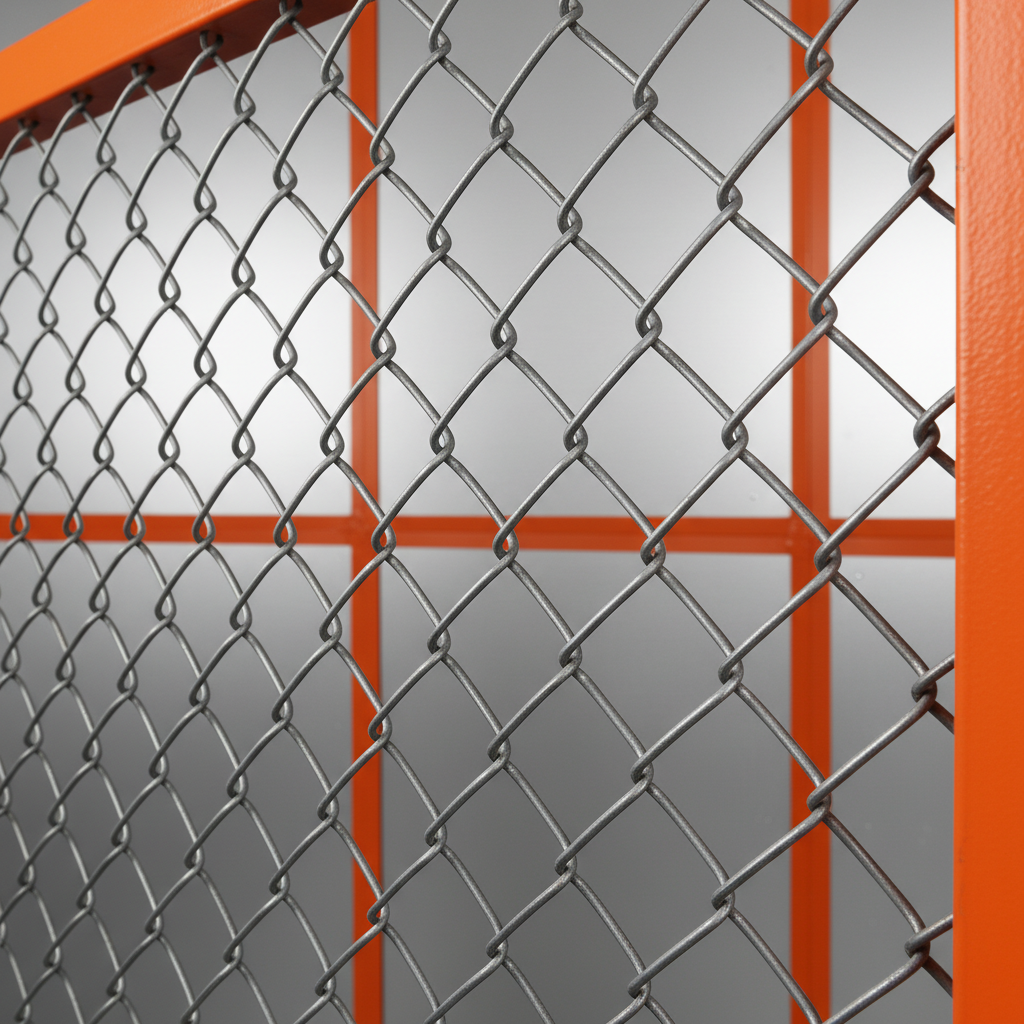
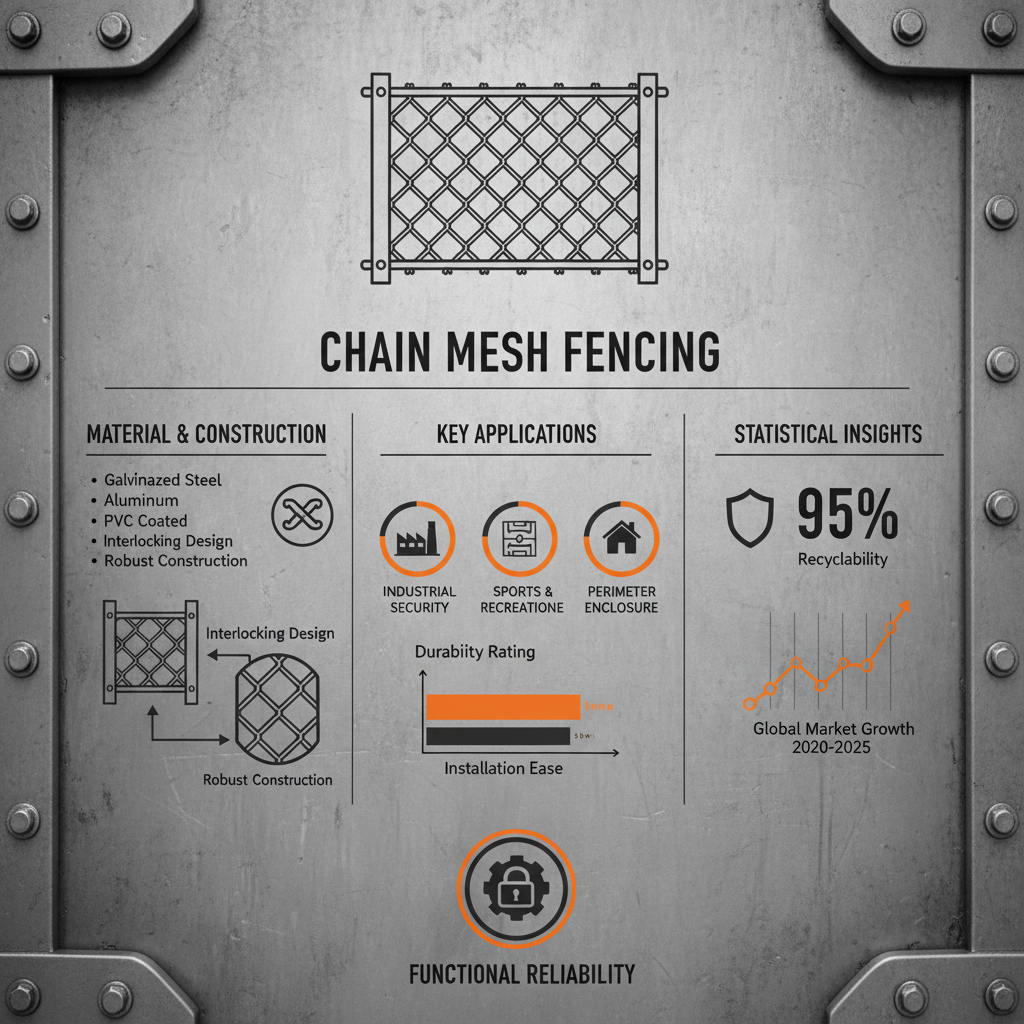
Selecting the right security perimeter is a critical decision for any industrial or residential project, and chain mesh fencing stands out as one of the most versatile and reliable solutions available today. By weaving galvanized or PVC-coated steel wires into a diamond pattern, this fencing system provides a perfect balance between visibility and security, ensuring that boundaries are clearly defined without completely obstructing the view of the surrounding landscape.
Globally, the demand for robust boundary solutions has surged as urban expansion and industrial zoning become more complex. Whether it is protecting a high-value construction site, securing a municipal park, or delineating agricultural borders, the adaptability of chain mesh fencing allows it to be tailored to specific environmental stressors, from coastal salt spray to extreme inland temperature fluctuations.
Understanding the technical nuances of wire gauge, mesh aperture, and coating types is essential for maximizing the lifespan of your installation. In this comprehensive guide, we will explore why this specific mesh geometry remains the gold standard for perimeter security and how modern metallurgical advancements are making these fences more sustainable and durable than ever before.
Global Relevance and Industry Context of Chain Mesh Fencing
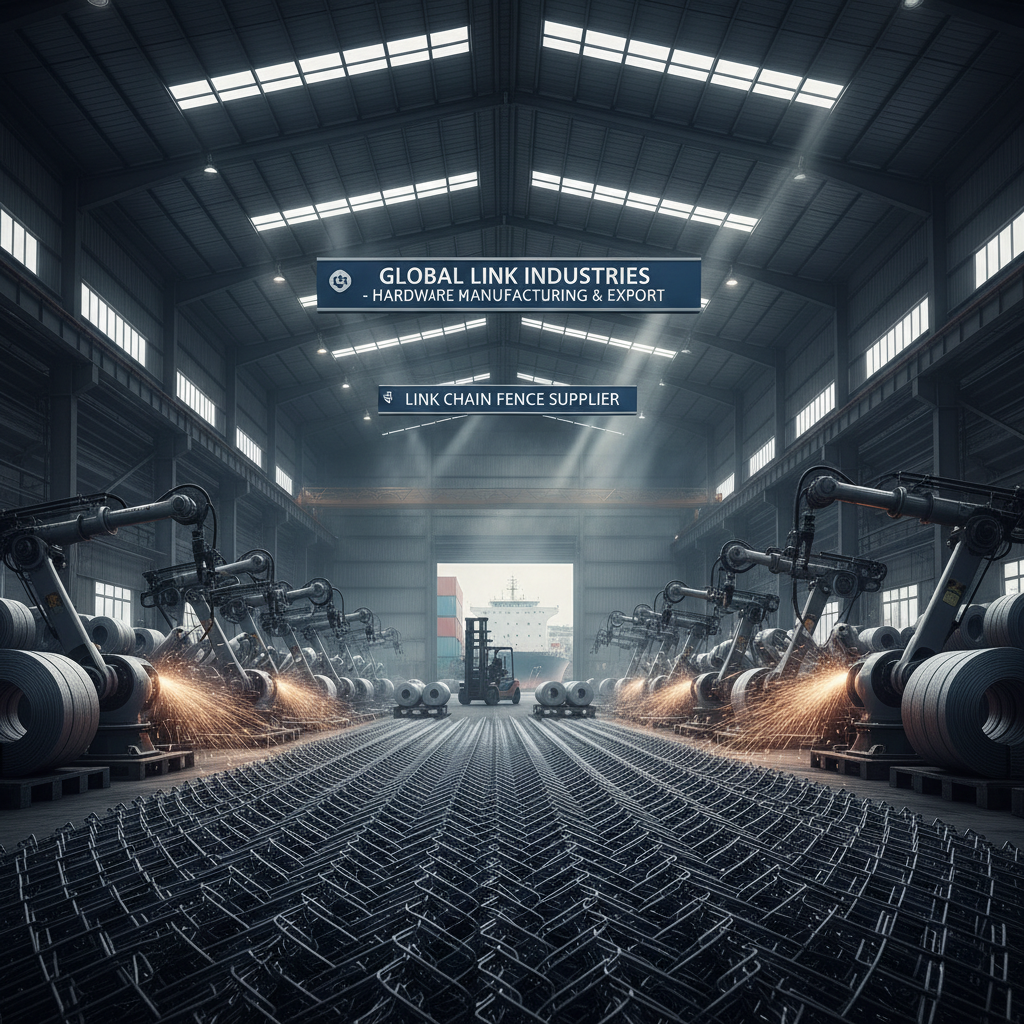
On a global scale, the infrastructure sector relies heavily on standardized security measures to protect assets. According to international industrial standards and ISO guidelines for metallic coatings, the resilience of chain mesh fencing is measured by its ability to resist oxidation while maintaining structural integrity under tension. In rapidly developing regions, this fencing is often the first line of defense for critical infrastructure, providing a cost-effective way to manage large areas of land.
The primary challenge addressed by this technology is the trade-off between cost and longevity. Traditional wooden or solid concrete walls are either too perishable or too expensive for sprawling industrial zones. By utilizing high-tensile steel wires, the industry provides a solution that minimizes material waste while maximizing the area covered, effectively solving the problem of perimeter scalability for global logistics hubs and manufacturing plants.
Defining the Engineering Behind Chain Mesh Fencing
At its core, chain mesh fencing is a woven fabric of steel wires that are bent into a zig-zag pattern and interlaced. Unlike welded wire mesh, which relies on fusion points, the "chain link" structure allows the fence to flex slightly under pressure without snapping, distributing the force across the entire mesh. This mechanical interlocking is what gives the system its characteristic strength and resilience.
From a modern industrial perspective, this design is not just about security but about humanitarian and organizational efficiency. In temporary settlements or emergency relief zones, the ability to quickly roll out and tension a mesh barrier allows organizations to establish safe zones and controlled access points with minimal labor. Its transparency also ensures that security personnel can maintain a clear line of sight, which is a vital safety requirement in high-risk environments.
The versatility of the material is further enhanced by various finishes. From hot-dipped galvanization—which creates a thick zinc layer to prevent rust—to PVC powder coating that offers aesthetic flexibility and extra protection against corrosive chemicals, the engineering of chain mesh fencing is a testament to the evolution of the metal wire industry.
Core Components for Maximum Durability
The longevity of chain mesh fencing depends heavily on the quality of the wire gauge and the precision of the weave. A thicker gauge wire provides higher impact resistance, making it suitable for industrial sites, while a lighter gauge is ideal for residential gardens. The consistency of the diamond aperture ensures that the tension is evenly distributed, preventing sagging over time.
Another critical component is the coating technology. Hot-dipped galvanizing is widely considered the gold standard for chain mesh fencing because it ensures the zinc penetrates the steel, providing internal and external protection. For areas with high salinity or extreme pollution, adding a PVC layer creates an impermeable barrier that prevents the underlying steel from reacting with the atmosphere.
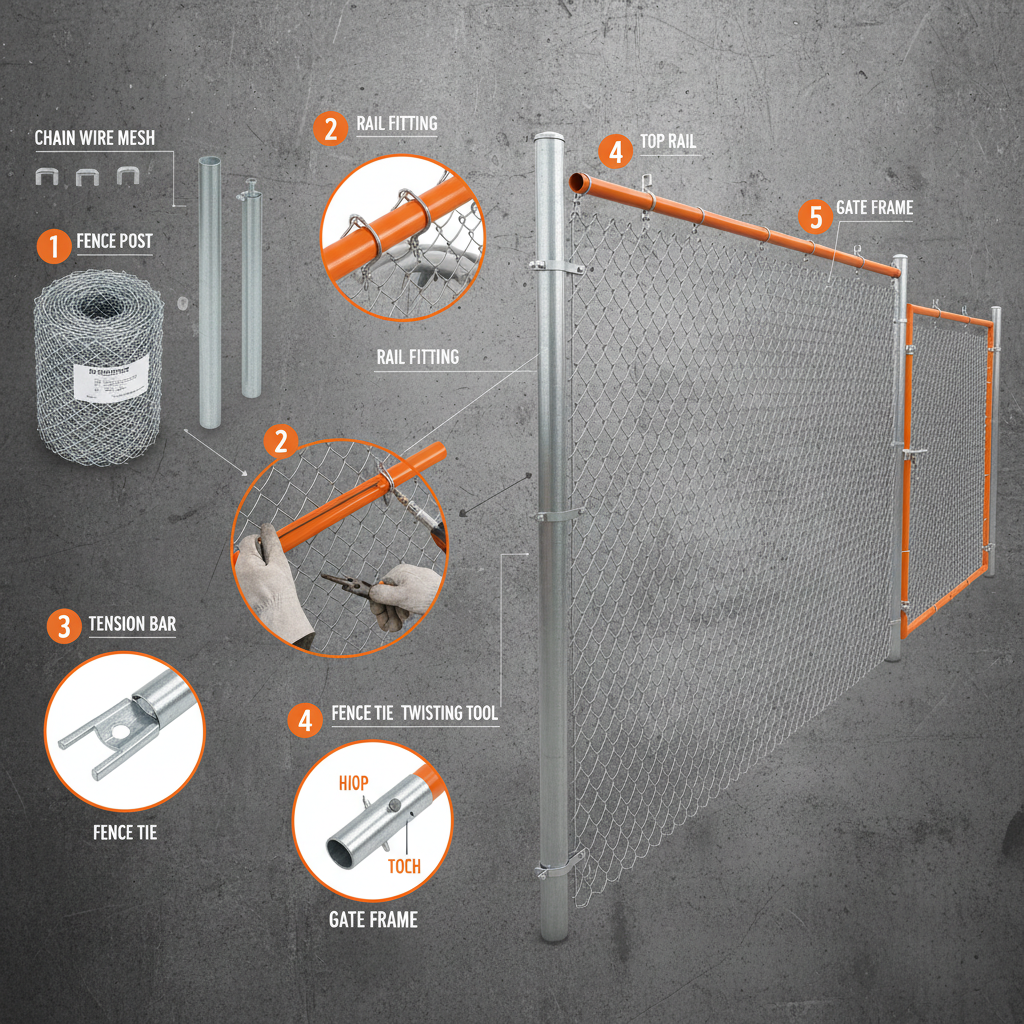
Finally, the supporting hardware—including tension wires, terminal posts, and fabric ties—plays a pivotal role. A mesh is only as strong as its anchor points. High-grade steel posts and heavy-duty tension bars ensure that the chain mesh fencing remains taut and upright, even when subjected to strong winds or accidental physical impact.
Economic and Operational Efficiency Analysis
When analyzing the total cost of ownership, chain mesh fencing offers an unmatched ROI compared to solid walling. The primary economic advantage lies in the low material volume required to cover vast perimeters and the minimal maintenance needed over its lifecycle. Because it is a modular system, damaged sections can be repaired locally without needing to replace the entire run of the fence.
Operationally, the speed of installation significantly reduces labor costs. The ability to deploy rolls of mesh across varied terrain—including slopes and uneven ground—makes it the preferred choice for rapid-deployment projects where time is of the essence.
Efficiency Rating of Various Chain Mesh Fencing Types
Real-World Global Applications and Use Cases
In industrial zones across North America and Europe, chain mesh fencing is the standard for securing warehouses and power plants. Its ability to be topped with barbed wire or razor wire adds an extra layer of deterrent, making it nearly impossible for unauthorized personnel to breach the perimeter without detection.
Beyond industrial use, this fencing is indispensable in sports infrastructure. From tennis courts to baseball diamonds, the flexibility and transparency of the mesh ensure that balls are contained while spectators enjoy an unobstructed view. In coastal regions of Southeast Asia, PVC-coated variants are used extensively to prevent corrosion from salty air, protecting aquaculture farms and beachfront properties.
Long-Term Value and Security Advantages
The long-term value of investing in high-quality chain mesh fencing extends beyond simple boundary marking. It provides a psychological deterrent and a physical barrier that increases the overall safety and dignity of a managed site. For commercial enterprises, a well-maintained fence signals professionalism and a commitment to security, which builds trust with clients and partners.
From a sustainability angle, steel is one of the most recycled materials on the planet. At the end of its lifecycle, a chain link fence can be dismantled and the steel repurposed, reducing the environmental footprint compared to concrete or plastic alternatives. This aligns with the global shift toward a circular economy in the construction industry.
Furthermore, the reliability of this system means fewer emergency repairs. By choosing the correct wire diameter and coating for the specific climate, owners can ensure a maintenance-free lifespan of 20 to 50 years, drastically lowering the operational expenditure over the decades.
Future Trends in Sustainable Fencing Materials
The future of chain mesh fencing is being shaped by the integration of smart technologies and green metallurgy. We are seeing the rise of "smart fences" where sensors are woven into the mesh to detect vibrations or cuts, triggering instant alerts to security centers. This transforms a passive physical barrier into an active digital security asset.
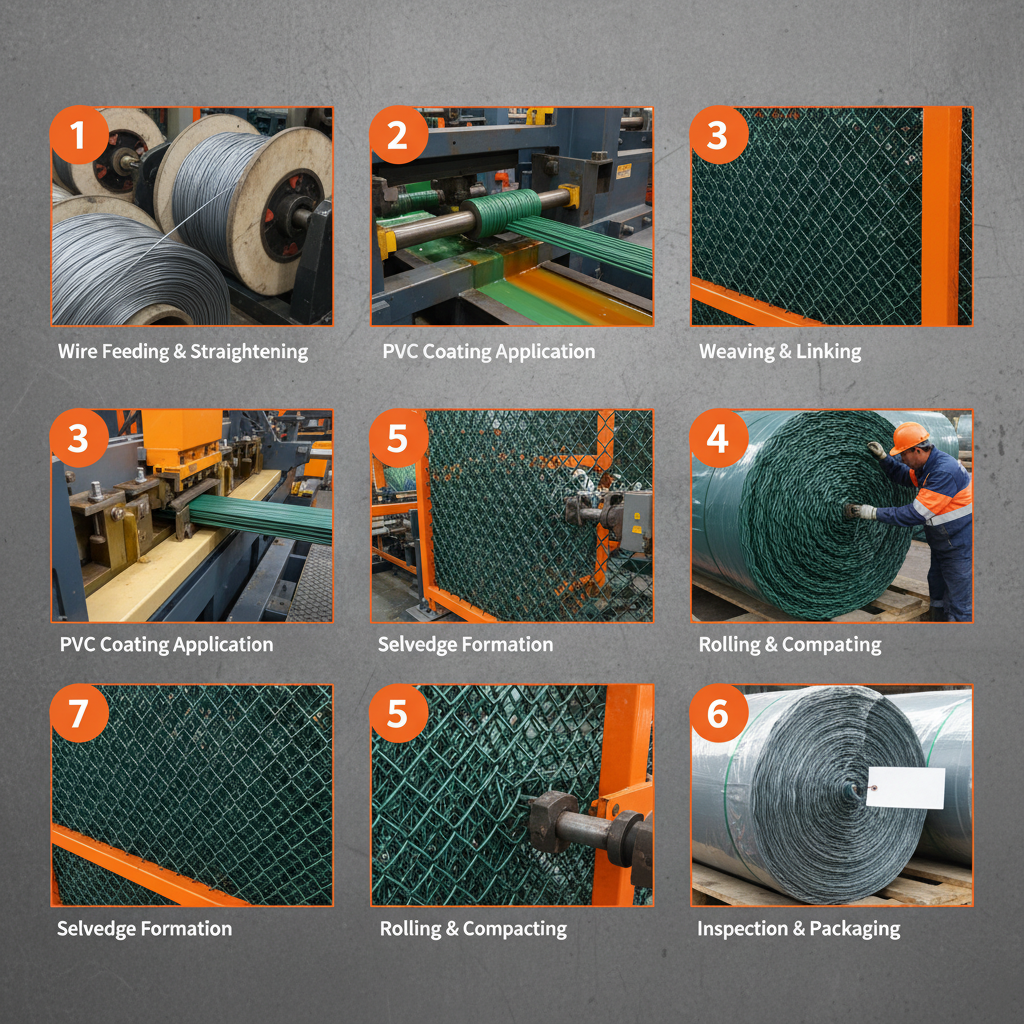
Additionally, the industry is moving toward more eco-friendly coating processes. The transition from traditional solvent-based powders to water-based polymers is reducing VOC emissions during manufacturing. New alloys are also being developed that offer the corrosion resistance of stainless steel but at a cost closer to galvanized carbon steel.
Automation in the weaving process is also increasing precision, allowing for customized mesh sizes that can be optimized for specific needs—such as extremely tight weaves for pest control or oversized diamonds for animal enclosures—without increasing production costs.
Comparative Analysis of Chain Mesh Fencing Specifications
| Material Type |
Corrosion Resistance |
Installation Speed |
Lifespan (Years) |
| Galvanized Steel |
High |
Very Fast |
15-25 |
| PVC Coated |
Very High |
Fast |
20-30 |
| Stainless Steel |
Extreme |
Moderate |
50+ |
| Electro-Galvanized |
Medium |
Very Fast |
5-10 |
| Powder Coated |
High |
Fast |
15-20 |
| Alloy Coated |
Very High |
Fast |
25-35 |
FAQS
For coastal environments, PVC-coated or stainless steel chain mesh fencing is highly recommended. The high salt content in the air accelerates the oxidation of standard galvanized steel. PVC provides an airtight seal that prevents salt from reaching the metal, while stainless steel possesses natural chromium-oxide layers that resist chloride-induced corrosion, ensuring the fence remains structurally sound for decades.
Wire gauge refers to the thickness of the wire; a lower number typically indicates a thicker wire. For high-security industrial sites, a 9-gauge or 11-gauge wire is preferred for its rigidity and difficulty to cut. For residential or light commercial use, 12.5-gauge is usually sufficient. We recommend matching the gauge to the expected impact level and the height of the fence to prevent bowing.
Yes, one of the greatest advantages of chain mesh fencing is its flexibility. By using a technique called "contouring," the mesh can be stretched to follow the natural slope of the ground. Unlike rigid panels, the woven structure allows the fence to bend and adapt to hills or dips without requiring extensive leveling or expensive grading of the land.
In most large-scale applications, yes. While welded wire offers a very rigid structure, chain mesh fencing is generally cheaper to manufacture, ship, and install. It also handles ground movement and thermal expansion better than welded panels, which can crack or warp. For perimeters over 100 meters, the cost savings in materials and labor are significant.
A high-quality hot-dipped galvanized fence typically lasts between 15 to 25 years depending on the environment. In dry, inland climates, it may exceed this, while in humid or industrial areas, the lifespan may be shorter. To extend the life of your fence, we recommend periodic inspections and touching up any scratched zinc coatings with cold-galvanizing spray.
PVC-coated chain mesh fencing is virtually maintenance-free. The only recommendation is to occasionally wash the surface with mild soap and water to remove accumulated grime or salt deposits. If the PVC coating is punctured, it is advisable to seal the gap with a compatible PVC repair kit to prevent moisture from entering and rusting the core wire.
Conclusion
In summary, chain mesh fencing remains an indispensable tool in the global effort to secure industrial, commercial, and residential spaces. By combining the mechanical strength of steel with advanced protective coatings like hot-dipped galvanization and PVC, it offers a scalable, durable, and cost-efficient solution that far outperforms traditional solid barriers in terms of ROI and installation speed. From its application in sports arenas to high-security power plants, its versatility is unmatched.
As we move toward a future of smarter and greener infrastructure, the evolution of this fencing system—through the integration of sensors and sustainable alloys—will only increase its relevance. For those looking to secure their assets without compromising on visibility or budget, investing in high-grade mesh is the most logical choice. To explore our full range of professional fencing solutions, visit our website: www.tymetalwiremesh.com.
 TEL:
+86-13102802206
TEL:
+86-13102802206
 Email:
fencenetting@china.com
Email:
fencenetting@china.com