The selection of a robust perimeter security solution is a critical decision for industrial and residential property owners alike. A galvanized chain link fence stands as one of the most versatile and reliable options available, blending structural strength with exceptional weather resistance. By utilizing a zinc coating to prevent oxidation, these fencing systems provide a long-term barrier that minimizes maintenance costs while maximizing security.
In a global market where infrastructure is expanding rapidly, the demand for cost-effective and durable materials has surged. The inherent flexibility of the diamond-mesh design allows for rapid installation across diverse terrains, making it a preferred choice for everything from sports complexes to high-security government facilities. Understanding the nuances of galvanization and wire gauge is essential for ensuring the longevity of the installation.
Beyond simple boundary marking, a high-quality galvanized chain link fence serves as a fundamental component of asset protection. Whether it is safeguarding livestock in rural areas or securing hazardous equipment in a manufacturing plant, the intersection of material science and practical engineering ensures that these fences withstand both human intrusion and environmental decay.
Global Relevance of Galvanized Chain Link Fence
On a global scale, the infrastructure sector relies heavily on standardized, scalable security solutions. The galvanized chain link fence has become a worldwide standard due to its ability to meet ISO quality benchmarks for corrosion resistance and tensile strength. From the industrial hubs of Southeast Asia to the expansive agricultural lands of North America, this fencing system provides a reliable method for delineating boundaries and controlling access.
The critical challenge addressed by galvanization is the inevitable process of atmospheric corrosion. In coastal regions or high-humidity environments, untreated steel would degrade rapidly, leading to structural failure. By applying a protective zinc layer, the industry ensures that safety perimeters remain intact for decades, reducing the need for frequent replacements and minimizing the environmental impact of waste.
Defining the Mechanics of Galvanized Chain Link Fence
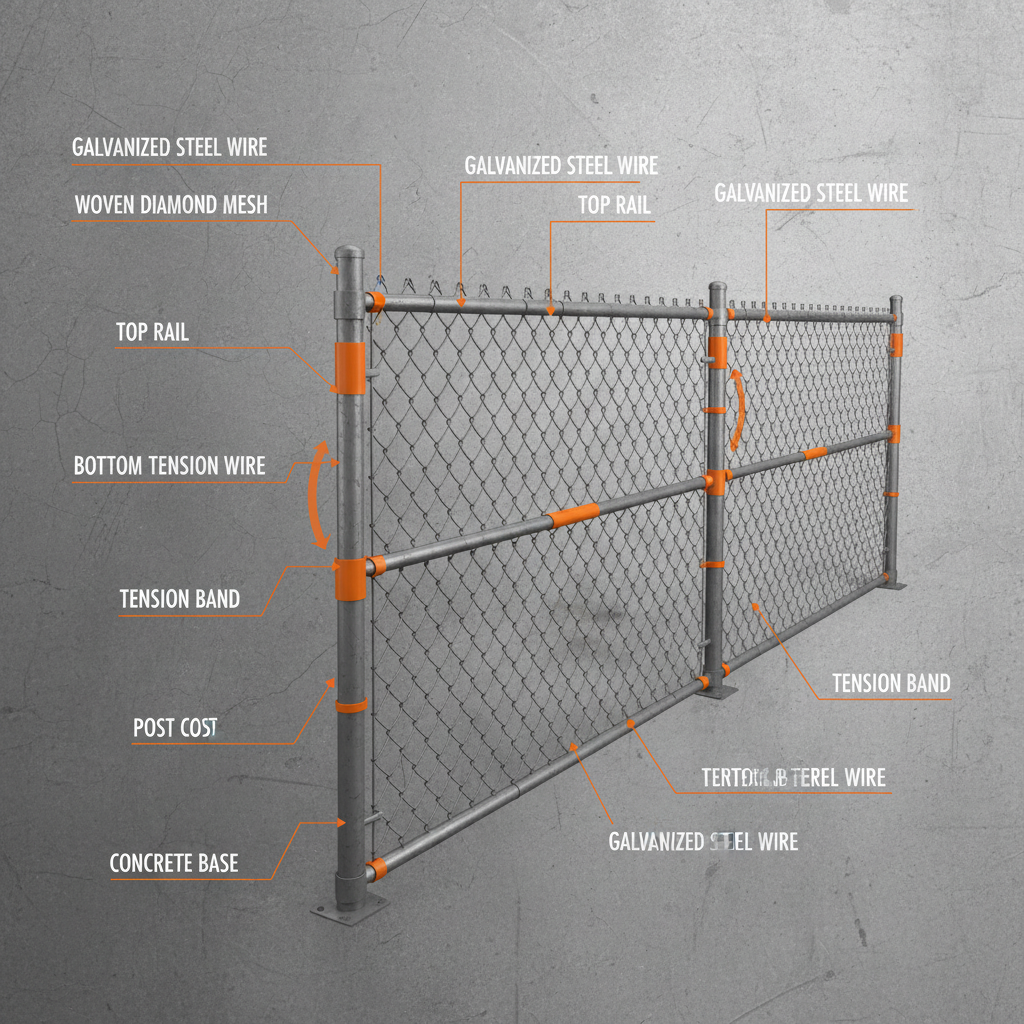
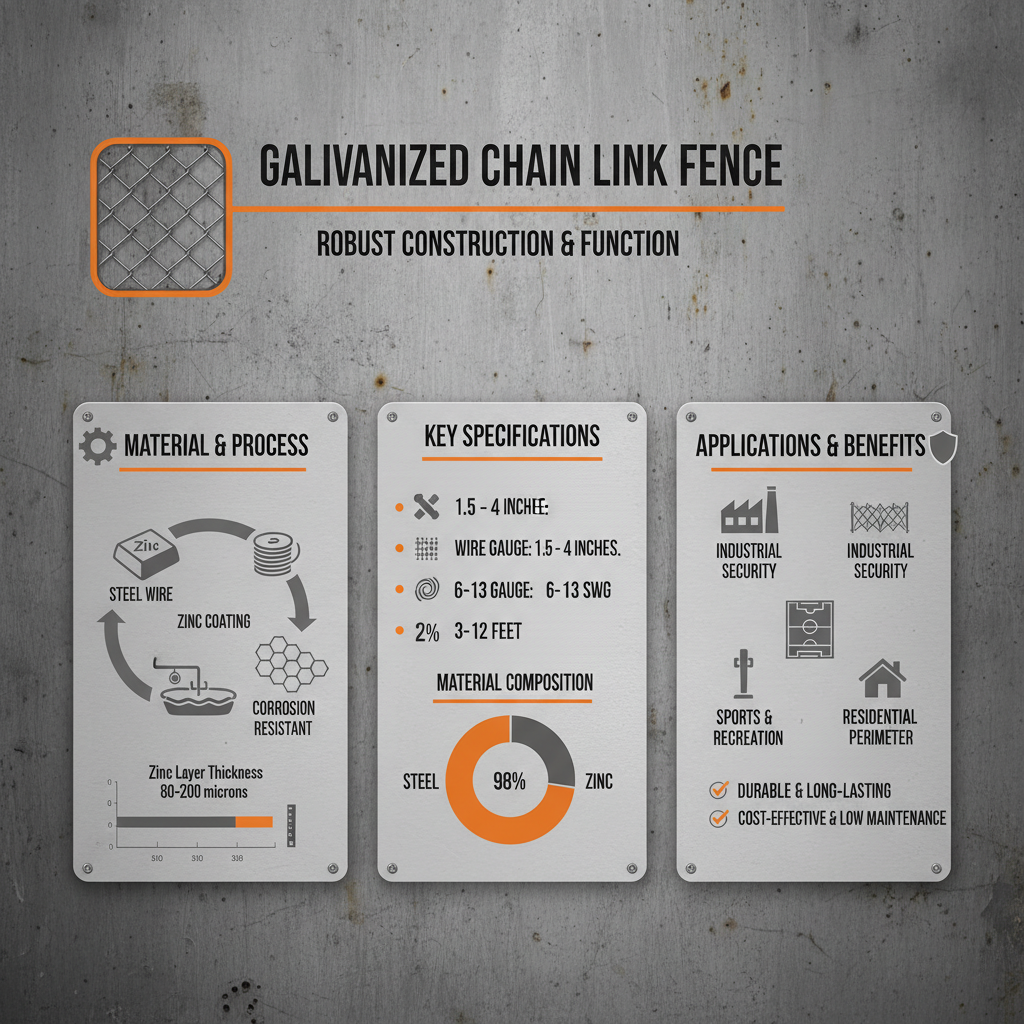
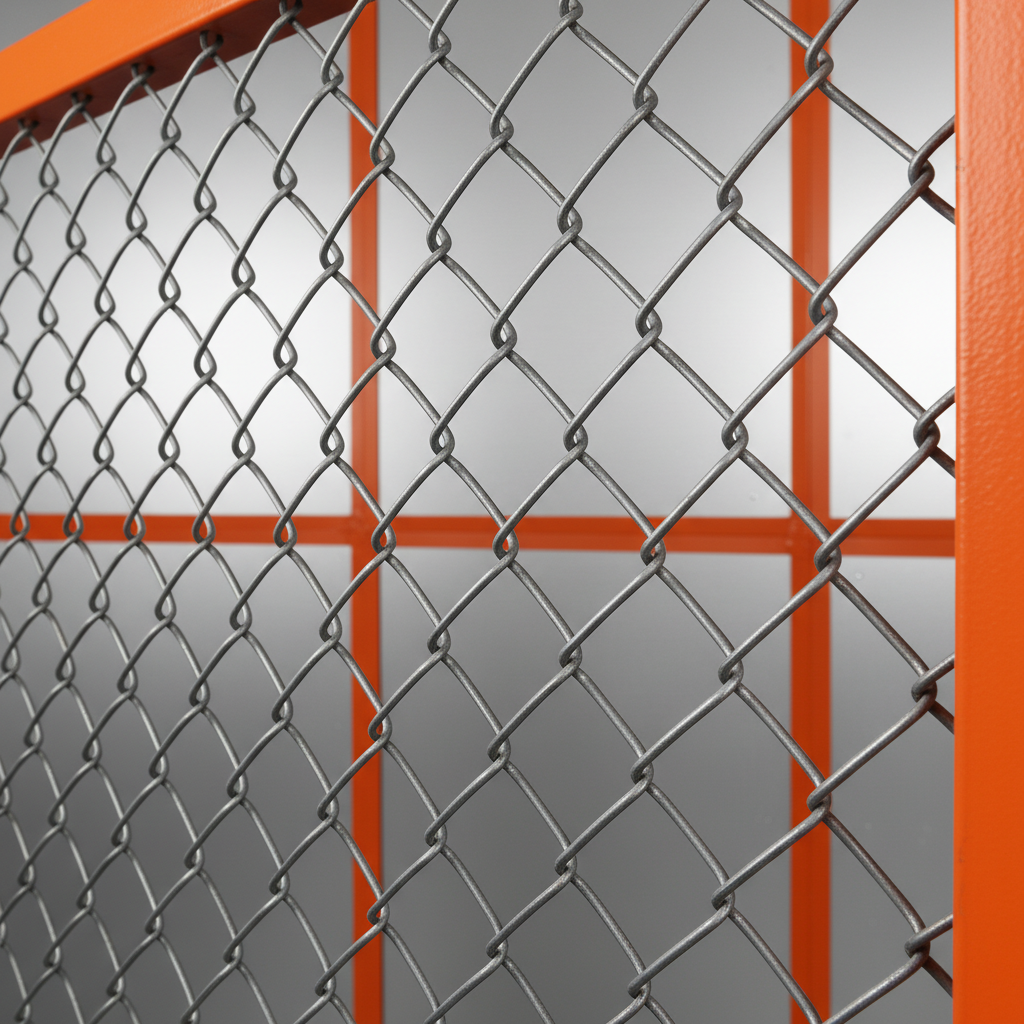
At its core, a galvanized chain link fence is a woven steel mesh created by intertwining thick galvanized wires in a diamond pattern. The "galvanized" aspect refers to the process of hot-dip galvanizing, where the steel is submerged in molten zinc. This creates a metallurgical bond that not only acts as a physical barrier against moisture but also provides cathodic protection, meaning the zinc will corrode preferentially to the underlying steel.
In the context of modern industry, this product represents the perfect balance between transparency and security. Unlike solid walls, the open weave allows for visibility, which is crucial for surveillance and natural light, while still providing a formidable physical deterrent. This makes it an essential tool for humanitarian efforts—such as securing refugee camps or temporary medical clinics—where rapid deployment and visibility are paramount.
Furthermore, the adaptability of the wire gauge and mesh size allows the system to be tailored to specific needs. Whether a facility requires a tight weave to prevent small animal intrusion or a heavy-duty gauge for high-security industrial zones, the fundamental mechanics of the chain link design remain consistent, offering a predictable and reliable performance profile.
Key Factors Driving Fence Durability and Value
The longevity of a galvanized chain link fence is primarily determined by the thickness of the zinc coating. A higher coating weight ensures that the fence can withstand harsh environmental stressors, such as salt spray in maritime environments or acidic rain in industrial zones, without succumbing to rust.
Another critical factor is the tensile strength of the core wire. High-carbon steel wires provide the necessary rigidity to prevent sagging over long spans, ensuring that the galvanized chain link fence maintains its structural integrity even under physical pressure or high wind loads.
Finally, cost-efficiency is a driving value. When comparing the initial investment and long-term maintenance, galvanized systems far outperform wooden or untreated metal alternatives. The reduction in labor costs for painting or treating the fence over its lifecycle makes it the most economically viable choice for large-scale projects.
Global Applications and Industrial Use Cases
The practical application of a galvanized chain link fence spans across nearly every professional sector. In the energy industry, these fences are used to secure solar farms and electrical substations, where they provide a necessary safety perimeter without interfering with the equipment's operational environment. Similarly, in logistics and warehousing, they are the standard for enclosing loading docks and equipment storage yards.
Beyond industrial use, we see critical applications in remote zones. For instance, in post-disaster relief operations, galvanized wire products are used to quickly establish organized zones for aid distribution and housing, providing a sense of order and safety. In agricultural sectors, these fences are indispensable for livestock containment, offering a durable barrier that can withstand the wear and tear of animals while remaining cost-effective for large acreages.
Performance Comparison of Galvanized Chain Link Fence Types
Long-Term Advantages and Strategic Value
The strategic value of installing a galvanized chain link fence extends beyond mere physics; it is about peace of mind. For business owners, the reliability of the zinc coating means that security is not compromised by sudden structural failure due to rust. This reliability fosters trust with clients and stakeholders, demonstrating a commitment to safety and professional standards.
From a sustainability perspective, these fences are highly eco-friendly. Steel is one of the most recycled materials on earth, and the longevity of galvanized products means fewer resources are consumed over time. By choosing a long-lasting galvanized chain link fence, organizations reduce their carbon footprint by minimizing the frequency of manufacturing and transportation cycles associated with replacement fencing.
Future Innovations in Wire Mesh Technology
The evolution of the galvanized chain link fence is currently being driven by advancements in material science. We are seeing the rise of "zinc-aluminum-magnesium" (ZAM) coatings, which provide even greater corrosion resistance than traditional hot-dip galvanizing, particularly in extreme saline environments. This innovation allows fences to last even longer with zero maintenance.
Digital transformation is also touching the fencing industry. The integration of smart sensors and IoT (Internet of Things) devices into the mesh allows for real-time intrusion detection. By turning a standard galvanized chain link fence into a smart perimeter, security teams can pinpoint the exact location of a breach instantly, merging physical strength with digital intelligence.
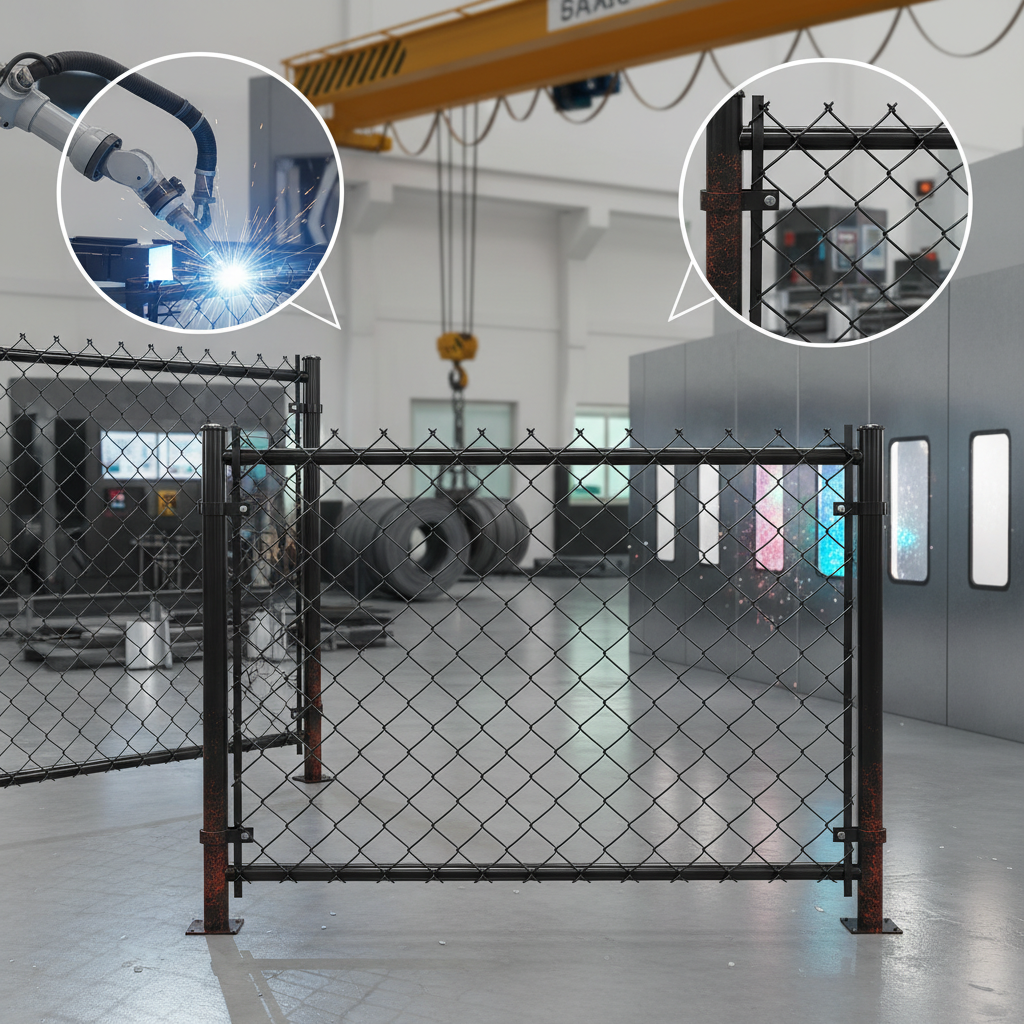
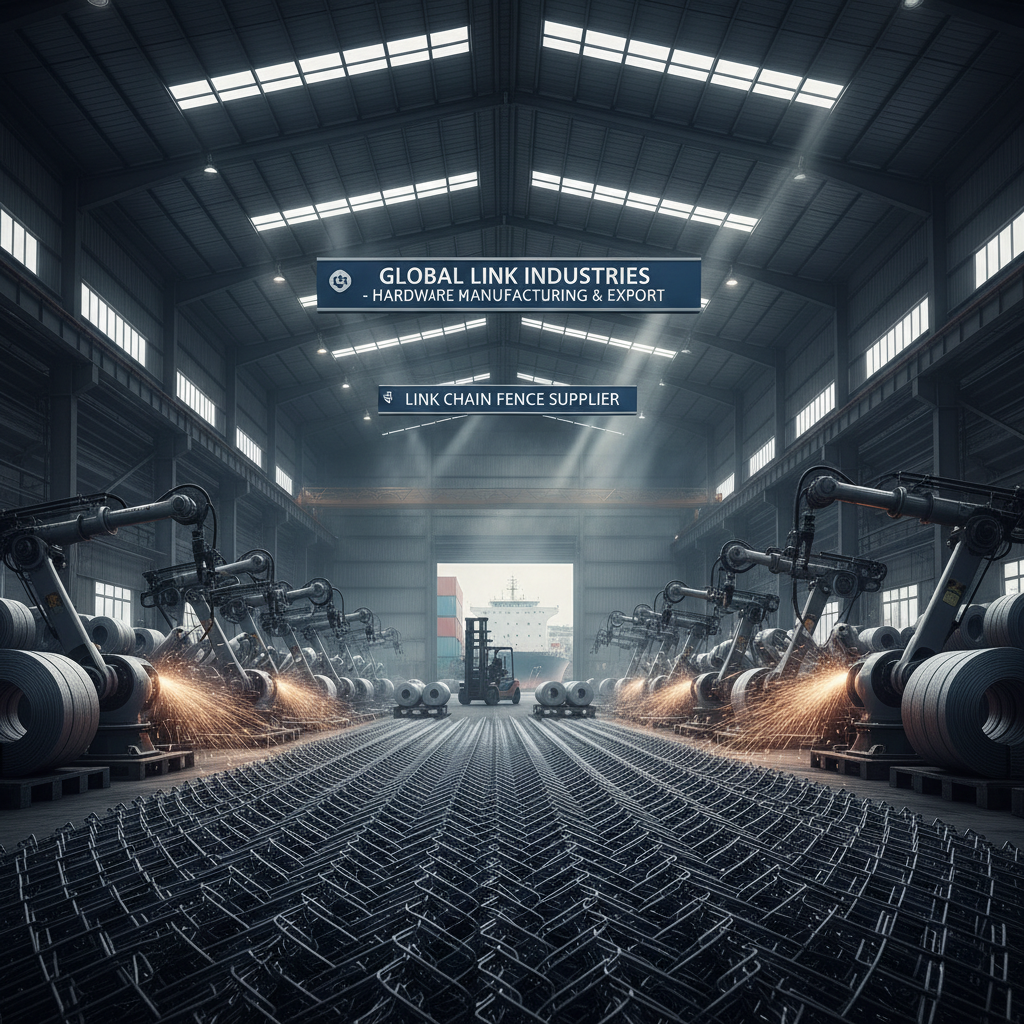
Automation in the manufacturing process is further refining the consistency of the weave. Precision robotic weaving ensures that every diamond in the mesh is identical, which eliminates weak points and optimizes the distribution of tension across the fence. This results in a more aesthetically pleasing and structurally sound product.
Common Challenges and Expert Solutions
One common challenge with galvanized chain link fence systems is the potential for "white rust" during storage in humid conditions. This occurs when the zinc reacts with moisture and oxygen before the fence is installed. Expert solution: ensuring proper ventilation and using breathable packaging during transport can effectively prevent this cosmetic but concerning issue.
Another issue is the vulnerability of the fence at the connection points, where the galvanized layer may be scratched during installation. To overcome this, professionals recommend using cold-galvanizing sprays (zinc-rich primers) to touch up any exposed steel immediately. This restores the cathodic protection and prevents localized corrosion from spreading.
Finally, some users find the industrial look of the fence too stark for residential settings. The solution here is the application of a PVC or powder coating over the galvanized layer. This provides a "dual-protection" system: the galvanization prevents rust from the inside, while the coating provides color customization and an extra layer of environmental defense.
Technical Analysis of Galvanized Chain Link Fence Specifications
|
Coating Type
|
Corrosion Resistance
|
Expected Lifespan
|
Primary Use Case
|
| Hot-Dip Galvanized |
Very High |
20-50 Years |
Industrial/Agricultural |
| Electro-Galvanized |
Moderate |
5-15 Years |
Indoor/Dry Climate |
| PVC Coated Galv |
Excellent |
25-40 Years |
Residential/Coastal |
| ZAM Coating |
Extreme |
40-60 Years |
Heavy Chemical Zones |
| Light Galv |
Low |
3-10 Years |
Temporary Fencing |
| Heavy Duty Galv |
High |
30-50 Years |
High-Security Sites |
FAQS
Hot-dip galvanizing involves immersing the steel in molten zinc, creating a thick, durable layer that offers superior corrosion resistance and a longer lifespan. Electro-galvanizing uses an electrical current to apply a thinner zinc layer, which results in a smoother finish but is less resistant to harsh weather, making it more suitable for indoor or low-corrosion environments.
Depending on the coating weight and environmental conditions, a high-quality hot-dip galvanized fence can last between 20 to 50 years. In highly corrosive coastal areas, this may be shorter, but adding a PVC coating can extend the life and protect the underlying zinc layer from salt air.
Yes, especially when utilizing heavy-gauge wire and integrating additional security features such as barbed wire toppers or tension wires. The structural integrity of the galvanized steel makes it difficult to cut without heavy tools, providing a strong physical deterrent for industrial and government sites.
While possible, you cannot use standard paint directly on galvanized steel as it will peel. You must use a specialized primer or an etching process to ensure the paint adheres to the zinc surface. Alternatively, purchasing a factory-applied PVC-coated galvanized fence is a much more durable and professional solution.
If the galvanized layer is scratched, the exposed steel is vulnerable to rust. The best solution is to apply a zinc-rich cold galvanizing spray to the affected area. This chemically bonds to the steel and restores the cathodic protection, preventing the rust from spreading to the rest of the mesh.
Yes, galvanized steel is highly sustainable. Steel is one of the most recycled materials globally. Because galvanization significantly extends the life of the product, it reduces the frequency of replacement, thereby lowering the total amount of raw materials and energy consumed over the site's lifetime.
Conclusion
In summary, the galvanized chain link fence remains a cornerstone of modern security infrastructure due to its unparalleled combination of durability, cost-effectiveness, and versatility. By leveraging the chemical properties of zinc to fight corrosion and the structural strength of steel, it provides a reliable boundary solution that caters to diverse needs—from the highest industrial security requirements to simple residential enclosures.
Looking forward, the integration of smarter materials and digital monitoring will only enhance the value of these systems. For those seeking a balance between long-term investment and immediate protection, choosing a high-specification galvanized system is the most strategic path. To explore our range of professional fencing solutions, visit our website: www.tymetalwiremesh.com
 TEL:
+86-13102802206
TEL:
+86-13102802206
 Email:
fencenetting@china.com
Email:
fencenetting@china.com