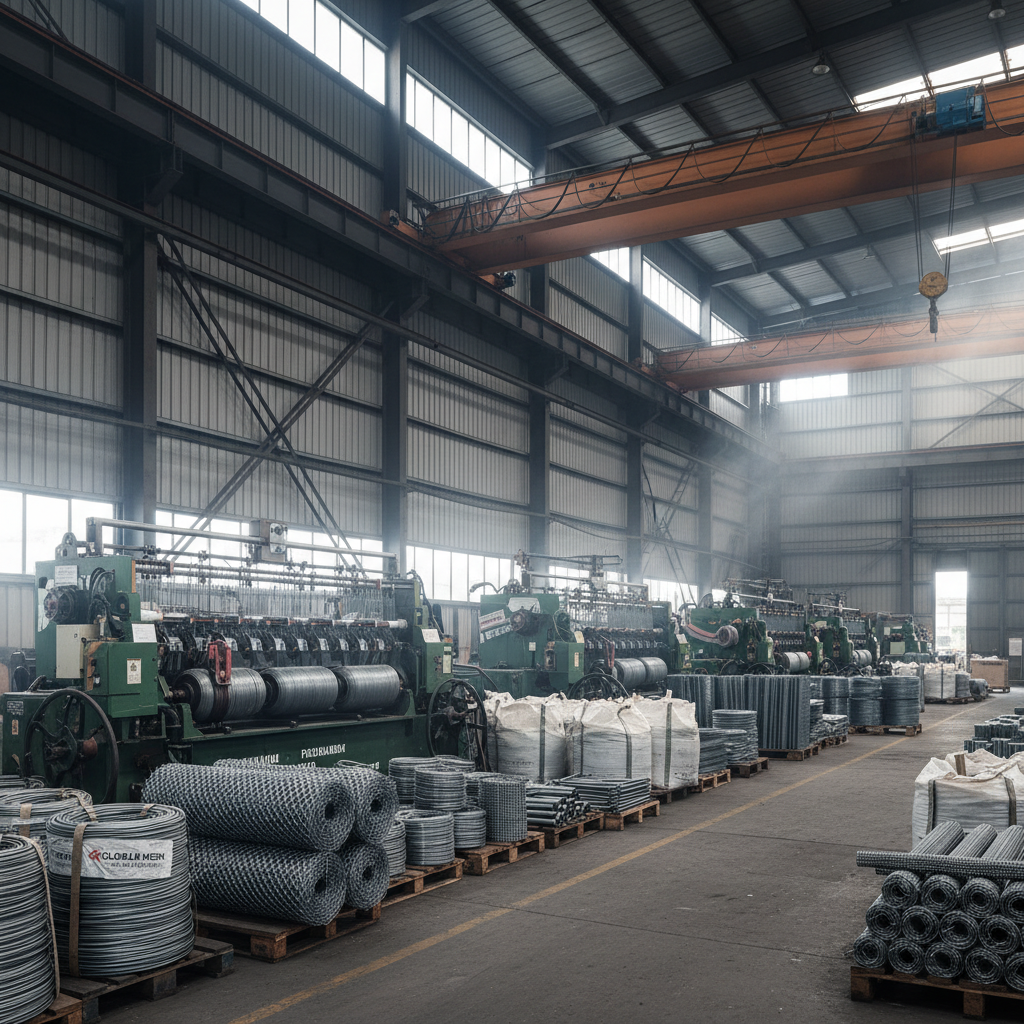
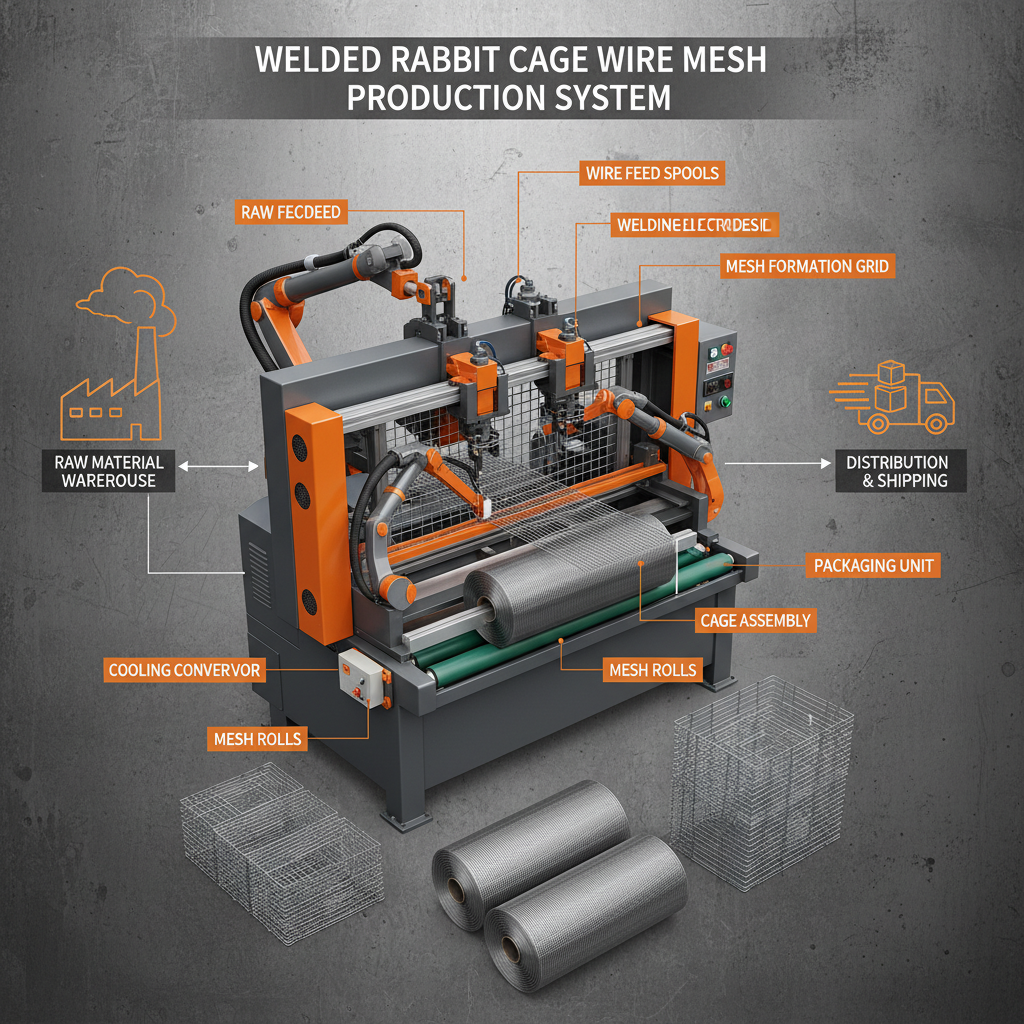
Selecting the right perimeter security is a critical decision for industrial, commercial, and residential property owners worldwide. The cyclone fence, known for its distinctive diamond-mesh pattern and robust structural integrity, has become the global standard for securing vast areas without sacrificing visibility. Whether it is protecting a high-security government facility or delineating a residential boundary, this versatile fencing solution offers an optimal balance of cost and performance.
From a global perspective, the demand for reliable wire mesh solutions is driven by the need for rapid deployment and long-term durability. In an era where infrastructure is expanding rapidly in developing regions and being modernized in established economies, the cyclone fence provides a scalable answer to security challenges. Its ability to withstand diverse climatic conditions—from humid coastal zones to arid deserts—makes it an indispensable asset in the metal products industry.
Understanding the nuances of material grades, coating types, and installation methods is essential for maximizing the lifespan of your investment. This comprehensive guide explores the technical specifications and practical applications of the cyclone fence, offering professional insights into why it remains the preferred choice for security professionals and contractors across the globe.
Global Relevance of Cyclone Fence Systems
In the context of international infrastructure development, the cyclone fence serves as a primary tool for territorial management. According to industry standards aligned with ISO certifications for metallic coatings, the efficiency of galvanized steel in preventing corrosion is what allows these fences to persist for decades in harsh environments. Across North America, Europe, and Asia, the scalability of this system ensures that it can be adapted to any terrain, from flat industrial parks to undulating rural landscapes.
The challenge often faced by facility managers is finding a solution that balances "transparency" (the ability to see through the fence for surveillance) with "deterrence" (the physical barrier to entry). The unique weave of the cyclone fence solves this paradox, providing a clear line of sight for security cameras while maintaining a rigid physical boundary that is difficult to breach without heavy equipment.
Defining the Technical Essence of Cyclone Fence
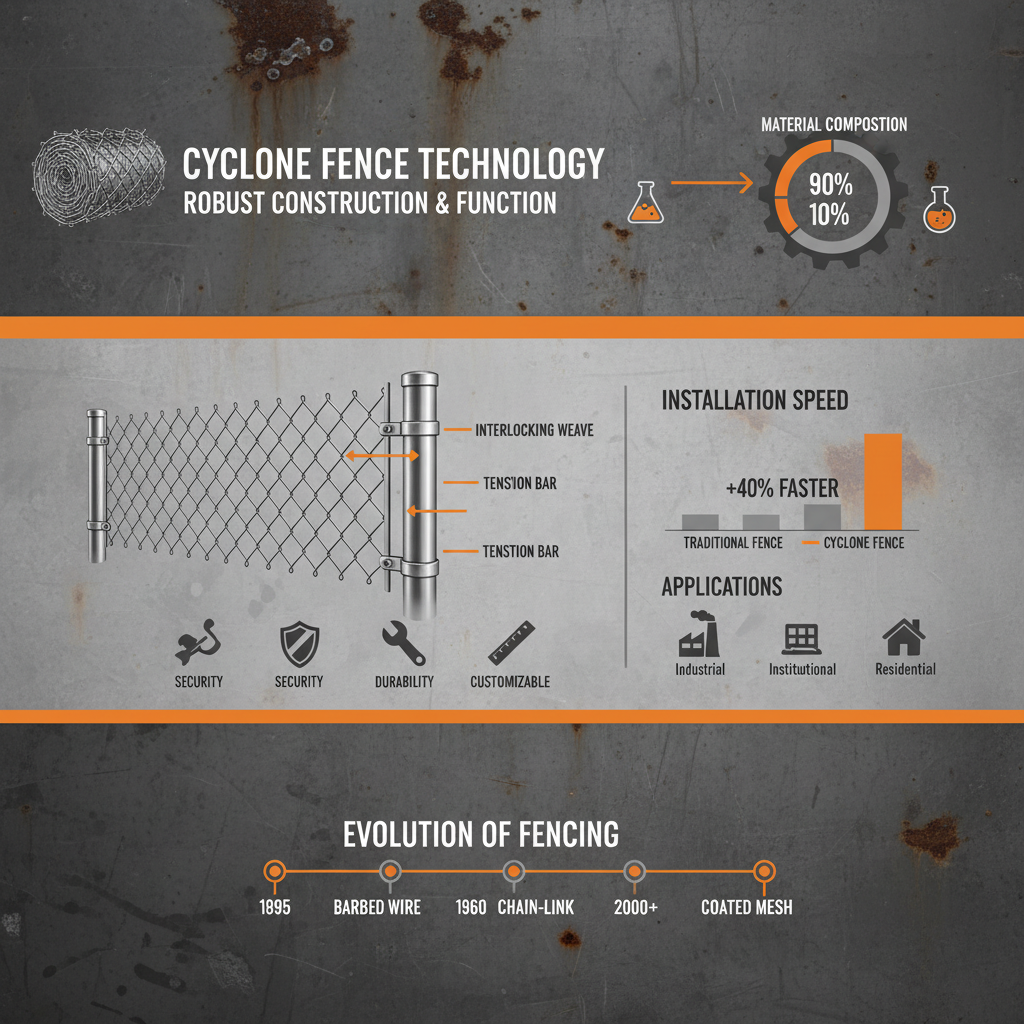
At its core, a cyclone fence is a woven steel mesh constructed from galvanized or PVC-coated wires. Unlike welded wire mesh, which is fused at the intersections, the cyclone style is "knitted," meaning the wires wrap around each other. This structural characteristic allows the fence to absorb impact and flex slightly under pressure without snapping, making it significantly more resilient against wind loads and physical strikes.
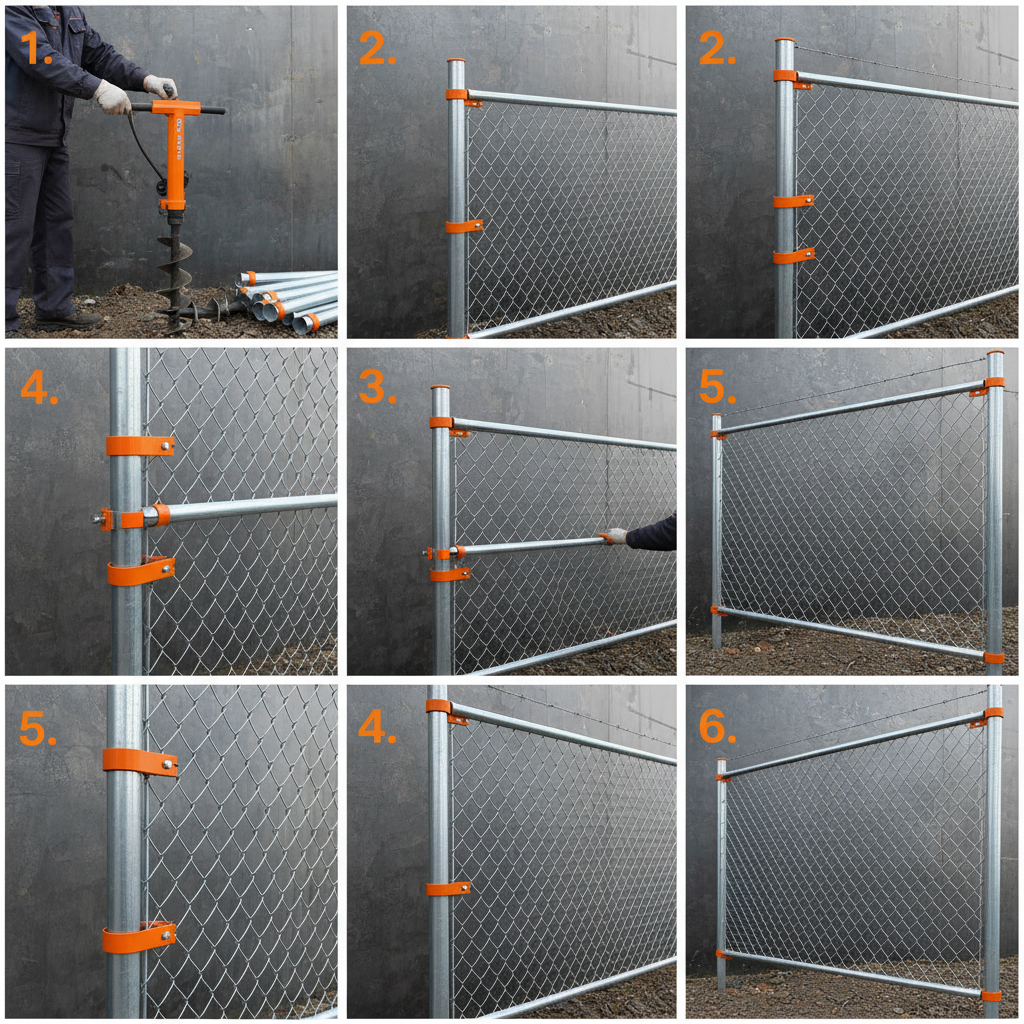
Beyond the simple mesh, the system incorporates a series of structural supports, including terminal posts, line posts, and top rails. These components ensure that the mesh remains taut and does not sag over time. The integration of tension wires at the bottom and top further reinforces the stability, ensuring that the fence remains a formidable barrier regardless of the ground conditions or environmental stressors.
In modern industrial applications, this fencing is often viewed as more than just a boundary; it is a critical component of a site's safety protocol. By utilizing high-tensile steel and advanced zinc coatings, manufacturers have transformed a simple wire product into a sophisticated security system that meets the rigorous demands of humanitarian zones, airport perimeters, and high-traffic industrial sectors.
Core Components for Maximum Durability
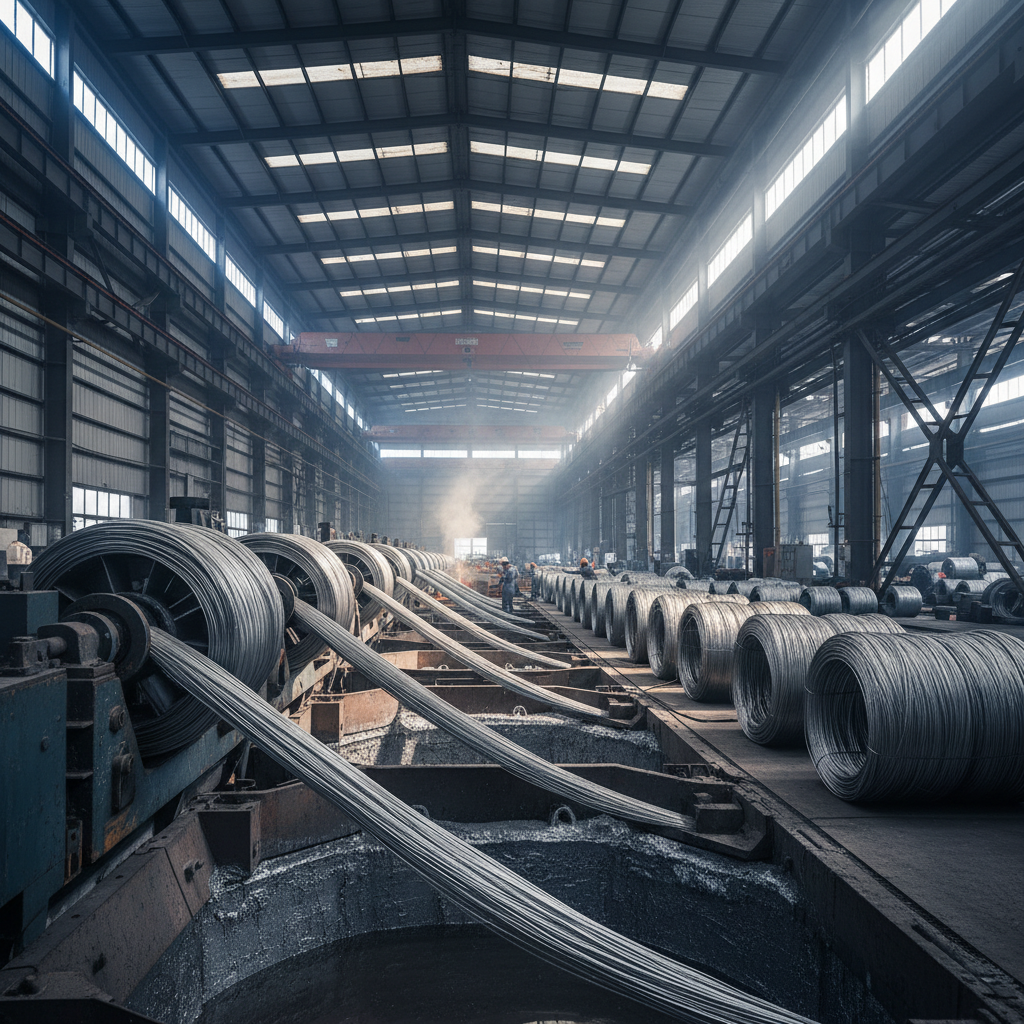
The longevity of a cyclone fence depends heavily on the quality of its raw materials. The most critical factor is the galvanization process; hot-dipped galvanized steel provides a thick layer of zinc that protects the inner core from oxidation. For environments with high salinity or extreme pollution, a secondary PVC coating is often added to provide an additional chemical barrier and a customized aesthetic.
Another vital aspect is the "gauge" or thickness of the wire. A lower gauge indicates a thicker wire, which directly translates to higher impact resistance. For high-security installations, heavy-duty gauges are paired with a tighter mesh aperture to prevent the use of cutting tools or the passage of small objects, ensuring that the cyclone fence remains an impenetrable shield.
Finally, the installation hardware—including tension bands, rail ends, and carriage bolts—must match the corrosion resistance of the mesh itself. Using low-grade fasteners on a high-grade fence creates weak points where rust can initiate, eventually compromising the entire structure. Professional-grade systems ensure that every bolt and clip is treated with the same anti-corrosive standards as the main wire body.
Economic Value and Cost-Efficiency Analysis
When evaluating the ROI of perimeter security, the cyclone fence consistently outperforms solid walls or ornate iron fencing. The primary driver of this efficiency is the ratio of material usage to area covered. Because the mesh is largely open space, it requires significantly less steel per linear foot than a solid barrier, while providing equivalent—and often superior—security properties.
Furthermore, the installation speed of these systems drastically reduces labor costs. Modular components allow for rapid assembly, which is particularly beneficial for large-scale projects where time-to-completion is a key financial metric. This makes it the ideal choice for temporary construction site security as well as permanent industrial zoning.
Performance Metrics of Various Cyclone Fence Configurations
Global Applications and Use Cases
The versatility of the cyclone fence allows it to be deployed in a staggering array of environments. In industrial zones, it is used to secure warehouses and factories, providing a clear boundary that prevents unauthorized entry while allowing security personnel to monitor the perimeter easily. In agricultural settings, it is the gold standard for livestock containment, as the mesh is strong enough to keep animals in but flexible enough to avoid causing injury.
Beyond commercial use, these fences play a vital role in humanitarian and public safety efforts. In post-disaster relief operations, rapid-deployment cyclone fence panels are used to create secure zones for aid distribution and refugee housing, ensuring order and safety in chaotic environments. Its ability to be transported in rolls and installed quickly makes it a logistical lifesaver for NGOs and government agencies operating in remote regions.
Long-Term Value and Security Benefits
The true value of a cyclone fence lies in its low maintenance requirements. Unlike wooden fences that rot or painted metal that peels, a properly galvanized mesh requires almost zero upkeep over its primary lifespan. This reduction in operational expenditure (OPEX) makes it an economically sound choice for municipal projects and large corporate campuses.
Psychologically, the presence of a well-maintained fence serves as a strong deterrent. It communicates a clear message of ownership and surveillance. When topped with barbed wire or concertina coils, the cyclone fence transforms from a simple boundary into a high-security barrier capable of stopping determined intruders.
Furthermore, the sustainability aspect cannot be ignored. Steel is one of the most recycled materials on earth. At the end of its lifecycle, a cyclone fence can be dismantled and the metal reclaimed, reducing the environmental footprint compared to concrete or composite barriers. This aligns with the growing global trend toward green building and sustainable industrial practices.
Future Trends in Wire Mesh Innovation
The future of the cyclone fence is being shaped by material science and digital integration. We are seeing the emergence of "smart fences," where fiber-optic sensors are woven into the mesh. These sensors can detect the exact location of a cut or a climb attempt in real-time, sending an instant alert to a security command center. This transforms a passive barrier into an active surveillance tool.
On the material front, the industry is moving toward advanced alloys and nano-coatings. New zinc-aluminum-magnesium (ZAM) coatings are providing even greater corrosion resistance than traditional galvanization, extending the life of the fence in extreme environments like offshore oil rigs or chemical plants. These innovations ensure that the cyclone fence remains relevant in a technologically advancing world.
Additionally, automation in the manufacturing process—using AI-driven looms and precision welding—is allowing for more customized mesh patterns and tighter tolerances. This means that clients can specify the exact aperture and tension required for their specific security needs, reducing waste and increasing the overall efficiency of the installation.
Comparative Analysis of Cyclone Fence Material Specifications
|
Material Type
|
Corrosion Resistance
|
Impact Strength
|
Estimated Lifespan
|
| Galvanized Steel |
High |
Strong |
15-25 Years |
| PVC Coated Steel |
Very High |
Medium-Strong |
20-30 Years |
| High-Tensile Wire |
Medium |
Very Strong |
15-20 Years |
| Electro-Galvanized |
Low-Medium |
Medium |
5-10 Years |
| ZAM Alloy Coating |
Extreme |
Strong |
30-50 Years |
| Powder Coated |
High |
Medium |
10-15 Years |
FAQS
The primary difference lies in the construction. A cyclone fence is woven (knitted), allowing it to be flexible and absorb impact without permanent deformation. A welded wire fence is fused at each intersection, making it more rigid and better for structural supports or cages, but more prone to snapping under extreme physical stress. Cyclone fences are generally better for long perimeter boundaries.
Wire gauge refers to the thickness of the steel. For residential or light agricultural use, a higher gauge (thinner wire) is usually sufficient. For industrial security or high-traffic areas, we recommend a lower gauge (thicker wire), such as 9 or 11 gauge, to ensure the fence cannot be easily cut or pushed over. Always balance the weight of the wire with the strength of your support posts.
It depends on your environment. If you are installing the fence near the ocean, in a city with high smog, or in an area with acidic soil, PVC coating is highly recommended. It provides a critical second layer of protection against corrosion. However, for dry, inland areas, hot-dipped galvanization alone is often sufficient to provide a lifespan of 20+ years.
Yes, absolutely. Because the mesh is flexible, it can be installed using a "raking" technique, where the fence follows the contour of the ground. This is one of the biggest advantages of the cyclone fence over rigid panel fences, as it eliminates the need for expensive leveling or stepping the fence, maintaining a continuous security barrier.
Installation time varies by scale, but the modular nature of these systems makes them very efficient. For a standard industrial perimeter, a professional crew can typically install several hundred linear feet per day. The process involves setting the posts in concrete, attaching the top rail, and then stretching the mesh using a fence stretcher to ensure maximum tension.
Yes, they are highly sustainable. The primary material is steel, which is 100% recyclable. Furthermore, unlike solid concrete walls, cyclone fences do not obstruct the natural movement of wind or water, reducing their impact on local ecosystems. When the fence reaches the end of its life, the metal can be collected and recycled into new products, supporting a circular economy.
Conclusion
The cyclone fence remains an unrivaled solution for global perimeter security due to its unique combination of durability, cost-effectiveness, and versatility. From the fundamental strength of hot-dipped galvanization to the advanced possibilities of smart-sensing integration, these systems provide a scalable answer to the most pressing security challenges of the modern industrial era. By focusing on high-quality material gauges and proper installation techniques, property owners can ensure a secure, long-lasting boundary that requires minimal maintenance.
As we look toward the future, the integration of sustainable alloys and digital monitoring will only enhance the value proposition of wire mesh solutions. Whether you are securing a small private lot or a massive industrial complex, investing in a professional-grade cyclone fence is a strategic move toward long-term safety and operational efficiency. We invite you to explore the highest standards of wire mesh engineering to protect your assets effectively. Visit our website: www.tymetalwiremesh.com
 TEL:
+86-13102802206
TEL:
+86-13102802206
 Email:
fencenetting@china.com
Email:
fencenetting@china.com