TEL:
+86-13102802206
Email:
fencenetting@china.com
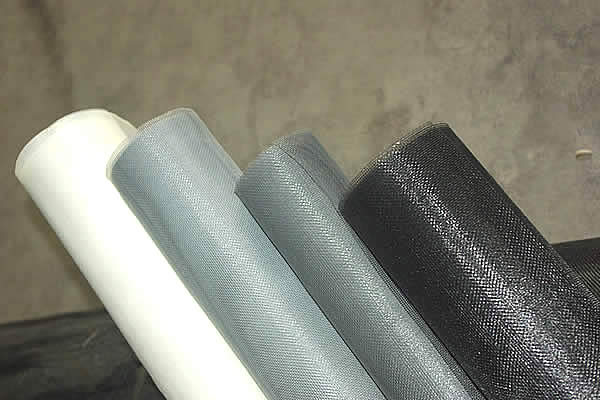
Window screen mesh is an essential component for improving indoor comfort by allowing fresh air to flow while keeping insects, dust, and debris outside. There are several types of window screen mesh available, each designed for different functions, environments, and performance requirements.
One of the most common types is fiberglass screen mesh. It is lightweight, flexible, and cost-effective, making it widely used in residential windows. Fiberglass mesh is resistant to rust and corrosion, and it provides good visibility and airflow. However, it is not as strong as metal mesh and may be damaged by sharp objects or strong impact.
Aluminum screen mesh is another popular option. It offers better durability and strength compared to fiberglass while still maintaining good ventilation. Aluminum mesh is also resistant to rust and is suitable for long-term use. However, it can be prone to denting or bending if not handled carefully.
Stainless steel screen mesh is considered a premium option due to its high strength, corrosion resistance, and long service life. It is commonly used in high-security applications, coastal areas, and industrial environments. Although more expensive, it provides excellent protection against insects, rodents, and even small intrusions.
Polyester or PVC-coated screen mesh is designed for enhanced flexibility and weather resistance. It is often used in areas requiring additional durability and UV protection. This type of mesh is also available in different colors and is commonly used in modern architectural designs.
In addition, there are specialized window screen meshes such as anti-pollen mesh, solar screen mesh, and security screen mesh. Anti-pollen mesh helps reduce allergens entering the home, while solar mesh reduces heat and UV radiation. Security mesh is reinforced to resist cutting and forced entry, providing an added layer of protection.
Overall, the choice of window screen mesh depends on factors such as budget, durability requirements, environmental conditions, and specific functional needs. Each type offers unique advantages to improve ventilation, safety, and comfort in residential and commercial buildings.