Hebei Tengyuan Wire Mesh Products Co.,Ltd

What Is The Difference Between Wire Mesh And Welded Wire Mesh?


Wire mesh and welded wire mesh are both widely used in construction, industrial, agricultural, and fencing applications, but they differ significantly in their manufacturing process, strength, and performance.

Wire mesh is generally produced by weaving or interlacing wires together in various patterns, similar to fabric. This manufacturing method provides flexibility and allows the mesh to be easily shaped or bent for different applications. Woven wire mesh is commonly used for filtration, screening, insect protection, and decorative purposes. However, because the wires are not permanently joined at the intersections, the mesh may shift under heavy loads or repeated stress.

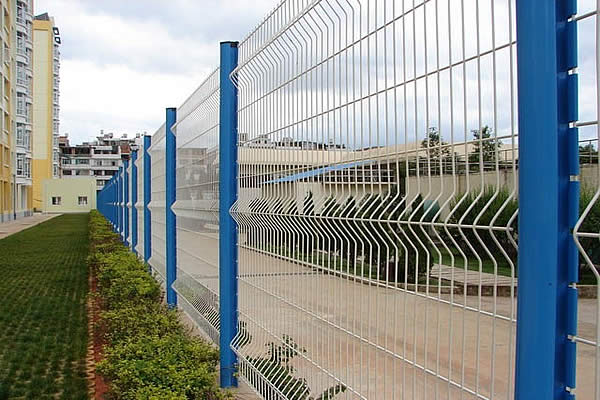
Welded wire mesh, on the other hand, is manufactured by electrically welding steel wires together at every intersection. This process creates a rigid and stable structure with excellent dimensional accuracy and high load-bearing capacity. The welded joints prevent the wires from moving, making the mesh stronger and more durable than traditional woven wire mesh. As a result, welded wire mesh is widely used for concrete reinforcement, security fencing, machine guards, animal enclosures, and industrial partitions.

Another key difference is durability. Welded wire mesh is often available with galvanized or PVC-coated finishes, providing enhanced corrosion resistance and a longer service life in outdoor or harsh environments. While woven wire mesh offers greater flexibility, welded wire mesh delivers superior strength, stability, and structural integrity.

In summary, wire mesh is ideal for applications requiring flexibility and fine screening, whereas welded wire mesh is the preferred choice for projects that demand strength, durability, and reliable structural support.


Welded Wire Mesh Plate Sizes


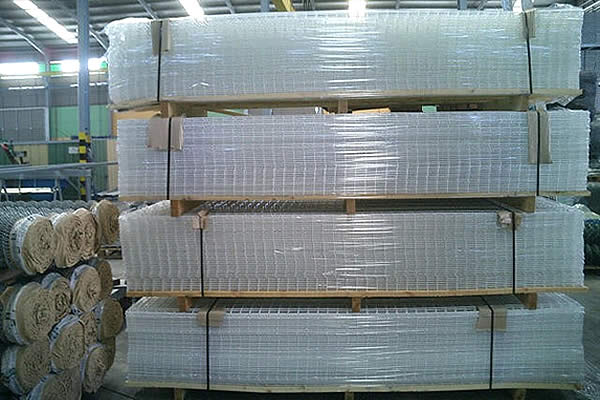
Welded Wire Mesh Plates are available in a wide range of sizes and specifications to meet the requirements of various construction, industrial, agricultural, and security applications. Standard mesh opening sizes typically range from 6 mm × 6 mm to 200 mm × 200 mm, while wire diameters are commonly available from 0.5 mm to 12 mm, depending on the intended use and load-bearing requirements.

The most common plate dimensions include 1 m × 2 m, 1.2 m × 2.4 m, 1.5 m × 3 m, and 2 m × 3 m. Custom sizes can also be manufactured according to project specifications. Smaller mesh openings are ideal for filtration, machine guards, and animal enclosures, while larger openings are widely used for fencing, reinforcement, and structural support applications.

Welded wire mesh plates are produced with precise welding at every wire intersection, ensuring uniform mesh spacing, excellent dimensional accuracy, and consistent strength across the entire panel. The rigid structure allows for easy handling, transportation, and installation on-site.

To enhance durability and service life, welded wire mesh plates can be supplied in various surface finishes, including hot-dip galvanized, electro-galvanized, PVC-coated, or stainless steel. These treatments provide excellent resistance to corrosion, rust, and environmental wear, making the products suitable for both indoor and outdoor use.

With flexible sizing options, customizable specifications, and reliable structural performance, welded wire mesh plates offer an efficient and cost-effective solution for reinforcement, protection, partitioning, and fencing applications across a wide range of industries.


Why Is Welded Wire Mesh Plate So Expensive?


Many customers wonder why welded wire mesh plates cost more than ordinary wire mesh products. The price difference is mainly due to the materials, manufacturing process, and performance advantages that welded wire mesh plates provide.

First, high-quality welded wire mesh plates are produced from premium steel wire, galvanized wire, or stainless steel wire, all of which contribute significantly to material costs. Thicker wire diameters and higher-grade raw materials increase strength and durability but also raise production expenses.

Second, the manufacturing process is more complex. Each wire intersection must be precisely welded using automated resistance welding equipment. This process requires advanced machinery, skilled operation, strict quality control, and substantial energy consumption. The result is a rigid mesh panel with consistent dimensions and strong welded joints that can withstand heavy loads and long-term use.

Surface treatment is another important cost factor. Many welded wire mesh plates are hot-dip galvanized, electro-galvanized, PVC-coated, or made from stainless steel to improve corrosion resistance and extend service life. These protective finishes add value but also increase production costs.

In addition, welded wire mesh plates offer superior strength, stability, and durability compared with woven wire mesh. Their rigid structure reduces maintenance requirements and provides reliable performance in construction, reinforcement, fencing, machinery protection, and industrial applications. This long service life often results in lower overall ownership costs despite the higher initial purchase price.

Finally, factors such as custom sizes, mesh openings, wire diameters, transportation costs, and market fluctuations in steel prices can further affect the final price. Although welded wire mesh plates may seem expensive at first, their strength, longevity, and performance make them a cost-effective investment for demanding applications.


gotop
Copyright © 2026 Hebei Tengyuan Wire Mesh Products Co.,Ltd All Rights Reserved. Sitemap | Privacy Policy | Top Blog | Global Service | Hot Products

If you are interested in our products, you can choose to leave your information here, and we will be in touch with you shortly.