When it comes to securing expansive perimeters, the link fence remains one of the most reliable and versatile solutions available in the modern metal products industry. Its unique woven structure provides a balance of transparency and strength, making it an essential component for everything from residential boundaries to high-security industrial zones. Understanding the nuances of this fencing system is key to optimizing site security and longevity.
Across the globe, the demand for durable containment solutions has surged as urban expansion and industrialization accelerate. The link fence addresses the critical need for cost-effective, scalable, and rapid-deployment barriers that can withstand diverse environmental stressors. By integrating advanced galvanization and PVC coating technologies, these fences have evolved from simple wire boundaries into engineered security assets.
Whether you are managing a large-scale agricultural project or securing a commercial warehouse, selecting the right specifications for your link fence can significantly reduce long-term maintenance costs. This guide explores the technical components, global applications, and future innovations that define the current state of wire mesh fencing technology.
Global Relevance and Industry Context of Link Fence
The global market for perimeter security has seen a steady rise, with the link fence serving as a cornerstone for infrastructure development. According to industrial standards aligned with ISO quality benchmarks, the efficiency of wire mesh products is measured by their resistance to corrosion and mechanical stress. In regions experiencing rapid industrial growth, such as Southeast Asia and Africa, these fencing systems provide an immediate solution to boundary disputes and asset protection.
The primary challenge facing modern site management is the balance between cost and security. While high-end electronic barriers exist, the sheer scale of many industrial zones makes them prohibitively expensive. This is where the link fence excels, providing a physical deterrent that is easy to install and maintain, ensuring that essential infrastructure remains protected without draining operational budgets.
Defining the Technical Nature of Link Fence
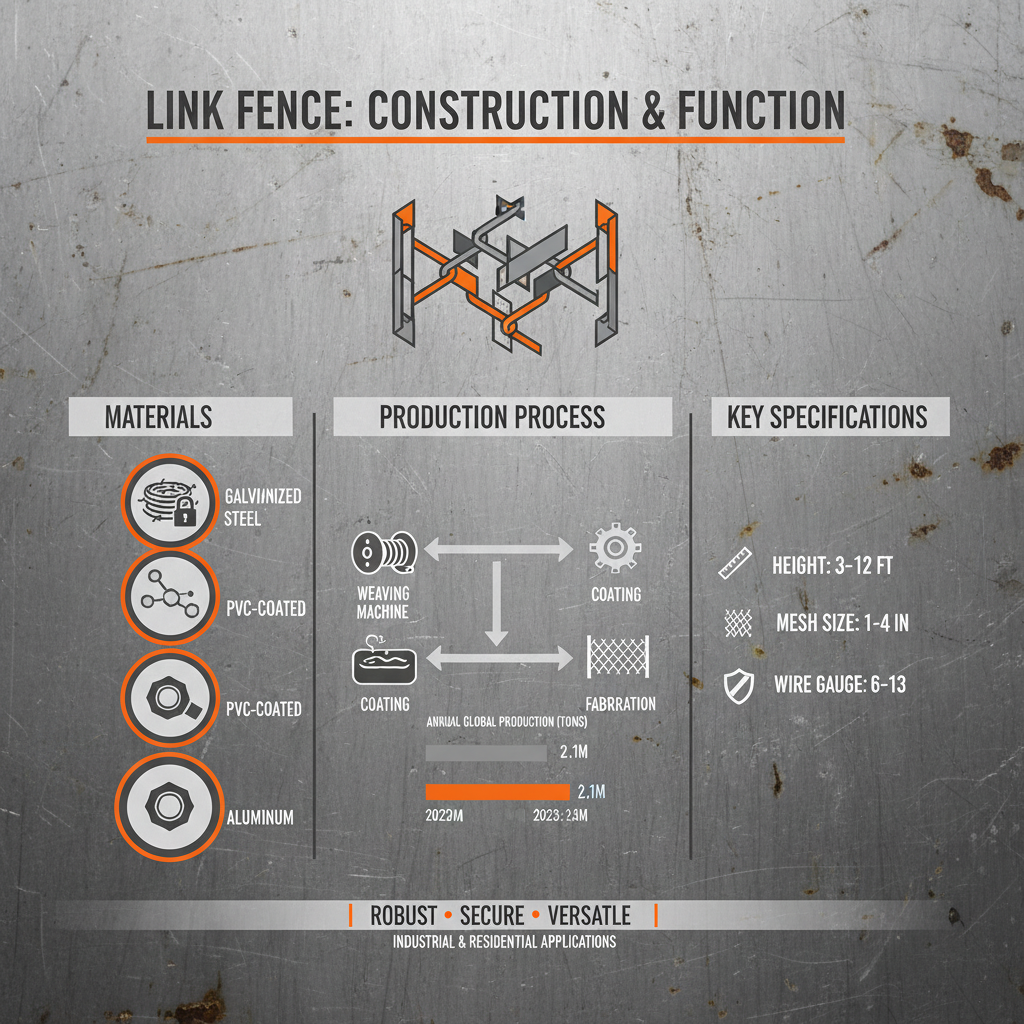
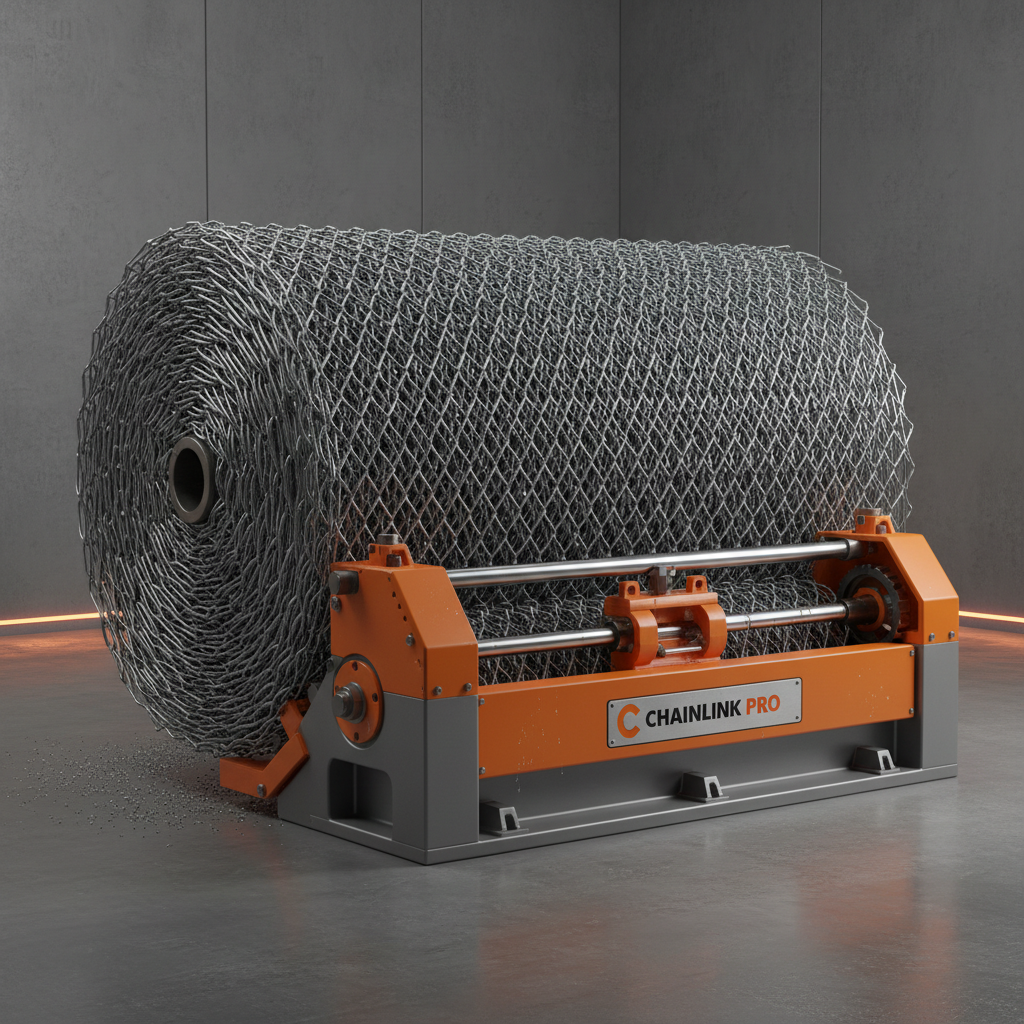
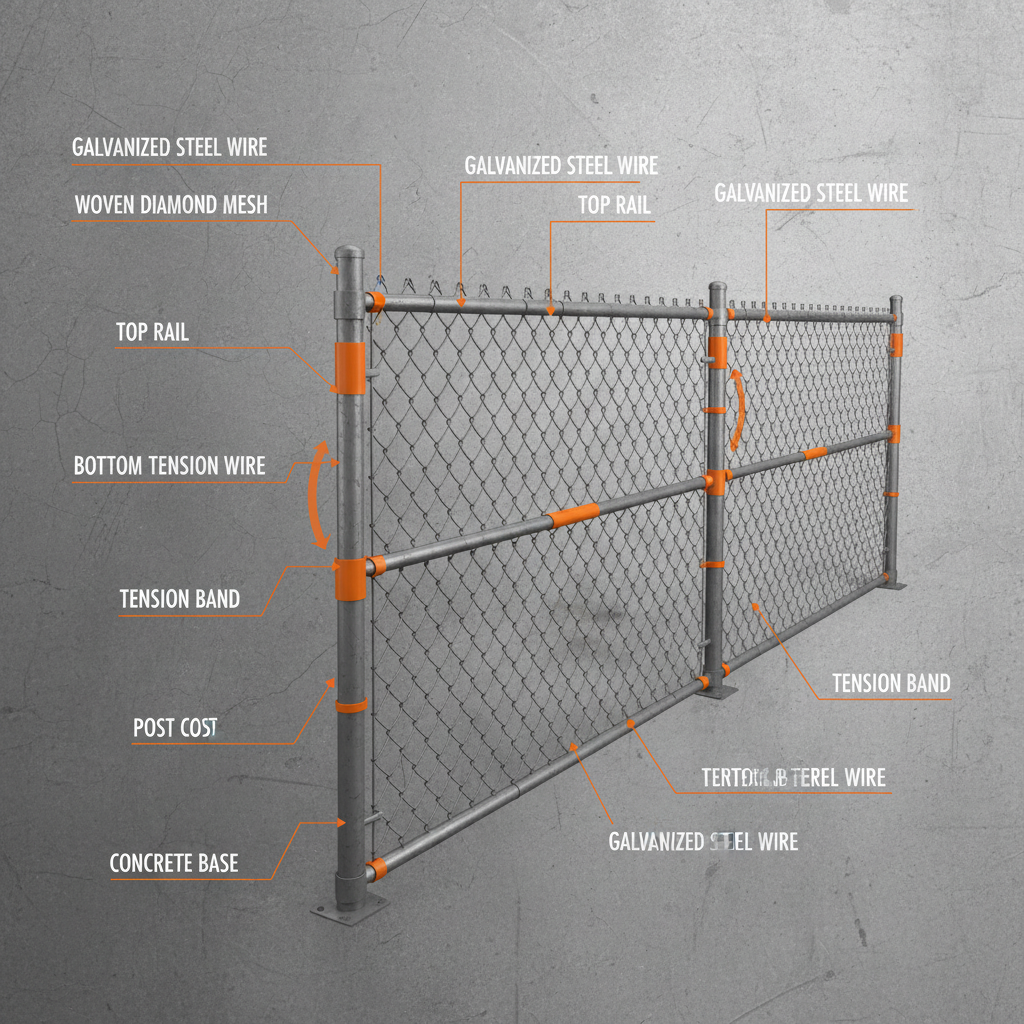
In technical terms, a link fence (commonly known as chain-link) is a galvanized or PVC-coated steel wire mesh that is woven in a diamond pattern. Unlike welded wire mesh, the interlocking nature of the wires allows the fence to flex under pressure without snapping, providing a unique combination of rigidity and elasticity that is critical for perimeter security.
Modern iterations of this technology have integrated high-tensile steel, which allows for thinner gauge wires to maintain the same strength as thicker, heavier alternatives. This advancement reduces the overall weight of the material, simplifying logistics and reducing the carbon footprint associated with transportation and installation.
Beyond simple containment, the link fence is often designed to meet specific humanitarian and industrial needs, such as creating temporary enclosures for disaster relief camps or securing hazardous material zones in chemical plants, where visibility is required for safety monitoring.
Core Components for Maximum Durability
The longevity of a link fence is primarily determined by its coating. Hot-dip galvanization is the gold standard, creating a metallurgical bond between the zinc and the steel to prevent rust from the inside out, which is essential for coastal environments with high salinity.
Another critical factor is the mesh aperture size. A tighter weave in the link fence increases security by preventing small animals or intruders from squeezing through, while larger apertures are preferred for agricultural uses where wind load needs to be minimized.
Finally, the structural integrity depends on the tensioning system. Using high-quality tension wires and robust terminal posts ensures that the link fence does not sag over time, maintaining its professional appearance and deterrent capabilities across long spans.
Performance Metrics and Material Comparison
To determine the best link fence for a specific project, engineers often look at the trade-off between tensile strength, corrosion resistance, and installation speed. For instance, PVC-coated options provide superior aesthetic appeal and extra protection against acidic rain, whereas raw galvanized steel is preferred for raw industrial utility.
The following data illustrates how different material treatments for link fence perform across key industry metrics, helping stakeholders make an informed procurement decision based on their specific environmental risks.
Material Performance Rating for Link Fence Types
Global Applications and Strategic Use Cases
The versatility of the link fence allows it to be deployed in virtually any terrain. In remote industrial zones, such as mining sites in Australia or oil fields in the Middle East, these fences provide a rapid way to secure vast areas against unauthorized access while allowing security personnel to maintain a clear line of sight.
Beyond industry, in urban settings, the link fence is frequently used for sports facilities, schools, and public parks. Its ability to contain high-velocity balls while remaining permeable to wind makes it the only logical choice for tennis courts and athletic fields globally.
Long-Term Value and Sustainability Benefits
Investing in a high-quality link fence offers significant long-term economic value. Because the materials are primarily steel, they are 100% recyclable at the end of their lifecycle, aligning with global ESG (Environmental, Social, and Governance) goals to reduce landfill waste in the construction sector.
From a psychological perspective, a well-maintained link fence provides a sense of order and safety. It establishes a clear boundary that protects dignity and property, reducing the likelihood of trespassing and providing peace of mind for business owners and residents alike.
Furthermore, the low maintenance requirement of modern coated wire mesh means that operational costs are kept to a minimum. Unlike wooden fences that rot or solid walls that require expensive repainting, a galvanized link fence can last for decades with virtually zero intervention.
Future Trends in Wire Mesh Innovation
The future of the link fence is being shaped by the integration of "smart" technologies. We are seeing the emergence of sensor-integrated fencing, where fiber-optic cables are woven into the mesh to detect vibrations or cutting attempts in real-time, transforming a passive barrier into an active security system.
Material science is also evolving, with the development of nano-coatings that offer unprecedented resistance to extreme corrosion in saltwater environments. These innovations ensure that the link fence remains relevant even as the demands for security and sustainability become more stringent.
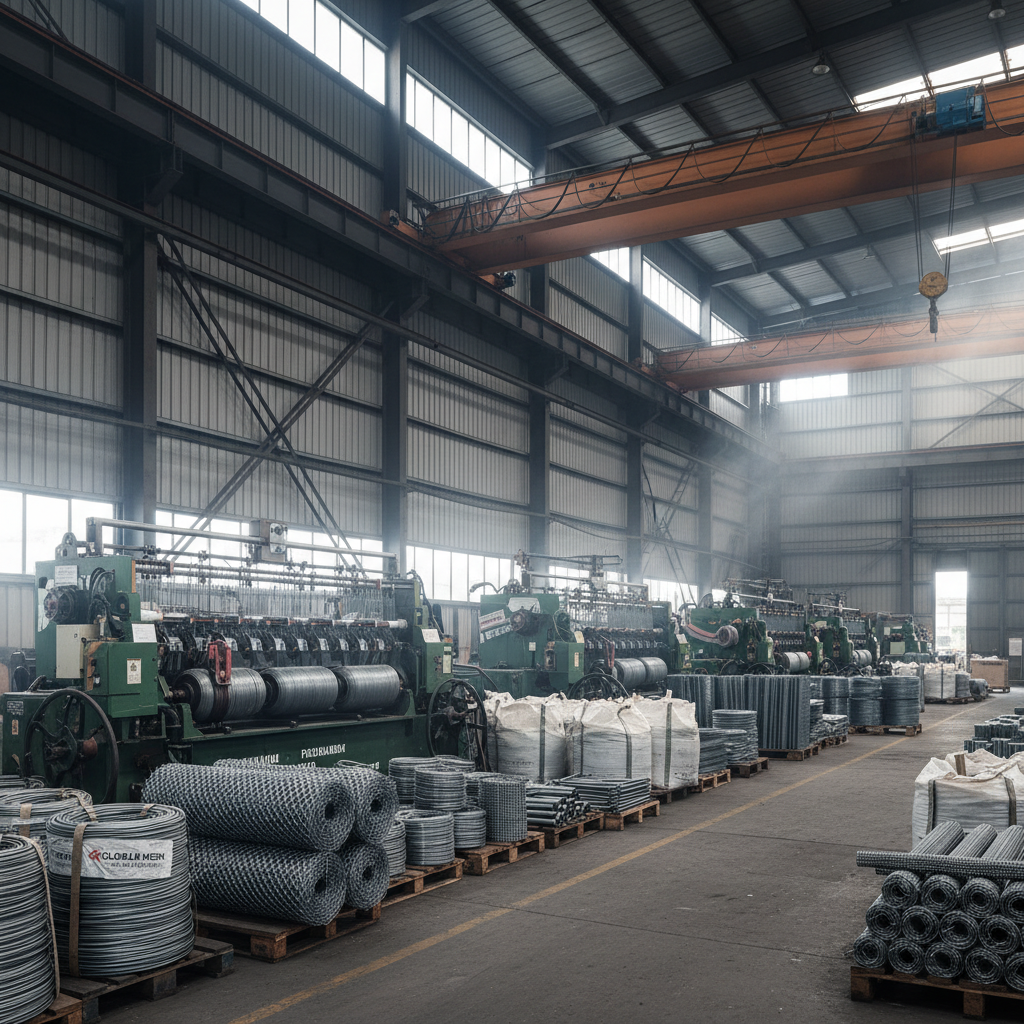
Additionally, automation in the manufacturing process is allowing for more customized mesh patterns and sizes, enabling the link fence to be tailored perfectly to the unique topography of a site, reducing material waste and installation time.
Analysis of Link Fence Material Specifications and Environmental Suitability
| Material Type |
Corrosion Resistance |
Installation Speed |
Lifespan (Years) |
| Hot-Dip Galvanized |
High |
Fast |
20-30 |
| PVC Coated Steel |
Very High |
Medium |
25-35 |
| Electro-Galvanized |
Moderate |
Very Fast |
5-10 |
| Stainless Steel 304 |
Extreme |
Slow |
50+ |
| Powder Coated |
High |
Medium |
15-20 |
| Aluminum Alloy |
Very High |
Fast |
30-40 |
FAQS
Depending on the coating and environmental exposure, a high-quality galvanized link fence typically lasts 20 to 30 years. PVC-coated versions may last slightly longer in corrosive environments due to the added plastic barrier. Regular inspections for tension and rust spots can further extend its lifespan.
Yes, when considering both material cost and labor, the link fence is generally the most budget-friendly professional solution for large areas. Its rapid installation process and minimal maintenance requirements make the total cost of ownership significantly lower than wood or masonry walls.
Absolutely. One of the greatest advantages of the link fence is its flexibility. It can be installed using "raking" techniques, where the fence follows the contour of the ground, ensuring there are no gaps at the bottom of the perimeter regardless of the slope.
For coastal areas with high salt spray, PVC-coated link fence is superior. While galvanization provides a strong base, the PVC layer acts as a physical shield against chloride ions, which significantly slows down the oxidation process and prevents premature rusting.
The most effective way to deter climbers is by adding top-rail extensions. This often includes the installation of barbed wire or concertina wire on angled brackets. Combining a heavy-gauge link fence with these top-level deterrents creates a formidable security barrier.
Yes, because it is primarily composed of steel, the link fence is highly sustainable. Steel is one of the most recycled materials on Earth. Additionally, its permeable nature allows for natural wind flow and water drainage, minimizing the impact on local ecosystems compared to solid walls.
Conclusion
In summary, the link fence remains an indispensable tool in the global security and infrastructure landscape. By blending technical durability with cost-efficiency and environmental sustainability, it provides a scalable solution that meets the diverse needs of industrial, commercial, and residential sectors. From the precision of hot-dip galvanization to the integration of smart sensors, the evolution of wire mesh technology ensures that perimeter protection remains both effective and adaptable.
As we look toward the future, the shift toward greener materials and automated installation will only enhance the value proposition of these systems. For those seeking a reliable, long-term investment in site security, prioritizing high-grade materials and expert installation is the key to success. We invite you to explore our professional range of wire mesh solutions to find the perfect fit for your next project. Visit our website: www.tymetalwiremesh.com
 TEL:
+86-13102802206
TEL:
+86-13102802206
 Email:
fencenetting@china.com
Email:
fencenetting@china.com