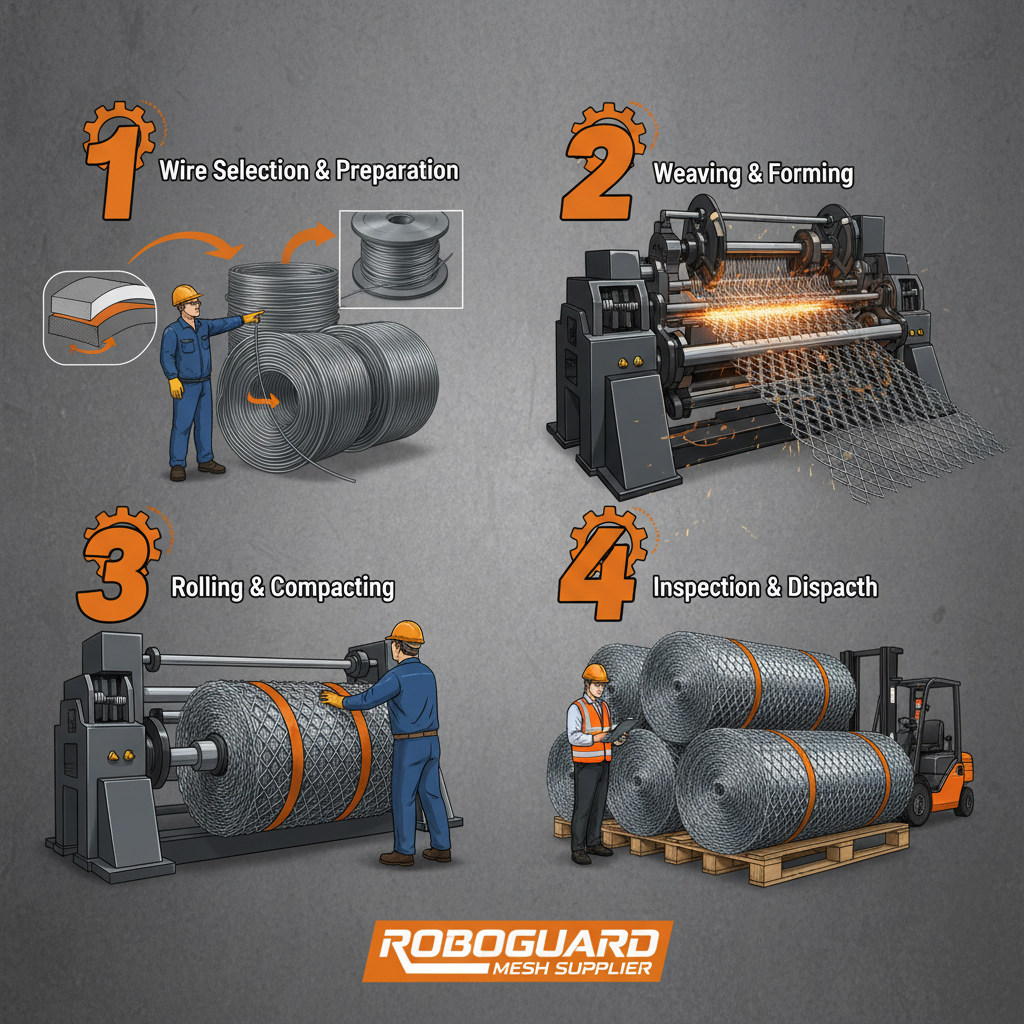
Look, I've been running around construction sites for over ten years now, and honestly, the biggest thing I'm seeing lately is everyone scrambling for better wire mesh. Not just any wire mesh, mind you. They want stronger, more durable stuff, and… well, frankly, they're tired of the cheap stuff snapping on them.
It's a bit of a cycle, you know? Everyone tries to cut costs, goes with the lowest bidder, and then six months later they're back to me complaining about material failures. Have you noticed that? It’s always the same story.
And it's not just the big projects either. Even small guys doing renovations want something that’ll last. They're tired of redoing work. It costs them time, money, and reputation. Reputation is everything in this business.
What's Trending and Common Pitfalls
The big trend, as I said, is strength and durability. But people fall into the same traps. Strangel,y, they focus on the gauge – the thickness of the wire – and ignore the quality of the steel. You can have a thick wire that's brittle as anything, and it won’t hold.
Another thing? Coatings. Everyone wants a fancy coating, but if it's not applied properly, it’ll flake off in six months. I encountered this at a factory in Tianjin last time, the coating was basically peeling off the wire, like sunburned skin. It was a disaster.
Material Deep Dive: It’s All About Feel
Now, let's talk materials. The good stuff, the stuff that actually feels right, is high-carbon steel. You can tell just by handling it. It's got a bit of weight to it, doesn’t feel flimsy. Galvanized steel is standard, of course, for rust protection, but the quality of the galvanization matters. A good galvanization smells… almost metallic, clean. A cheap one smells… off. It’s hard to explain, you just learn it over time.
I even saw someone trying to pass off recycled steel as virgin steel once. Recycled is fine, if it’s properly processed, but this stuff was full of impurities. It looked dull, felt grainy, and frankly, smelled like a junkyard.
And then there's stainless steel. Expensive, yes, but worth it for corrosive environments. But even stainless has different grades, and some are just… not up to the task.
Testing: Real World Isn’t a Lab
Lab tests are fine, I guess. Tensile strength, yield strength, all that. But those numbers don’t mean much when you’re actually on site, battling wind, rain, and clumsy workers.
The real test is how it holds up to abuse. I once saw a crew using wire mesh as a makeshift ladder. Not recommended, obviously, but it tells you something about its strength, doesn't it?
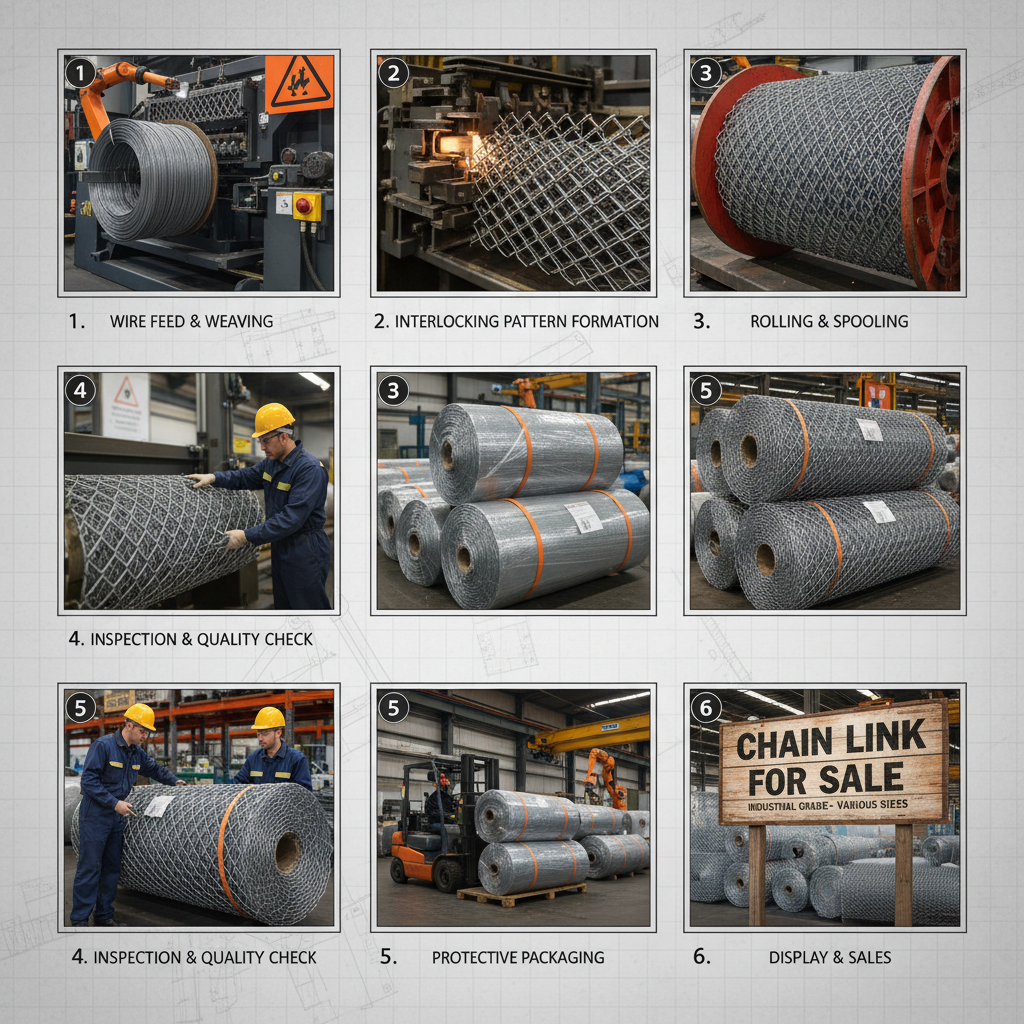
We do a lot of bend tests, simple as that. Just bend a piece of wire back and forth. How many times can it take before it snaps? That's a good indicator. And we always check for corrosion resistance by leaving samples out in the elements for a few months.
How They Actually Use It (It’s Not What You Think)
You design something for one purpose, and they’ll always find a way to use it for something else. It’s just the way it is. I designed a particular gauge of mesh for retaining walls, and they started using it for… fencing around a chicken coop!
Or they’ll try to stretch it thinner than it's supposed to be to save on materials. That's where you see failures happening, usually because of poor planning on the client’s end. They cut corners and then wonder why it doesn't work.
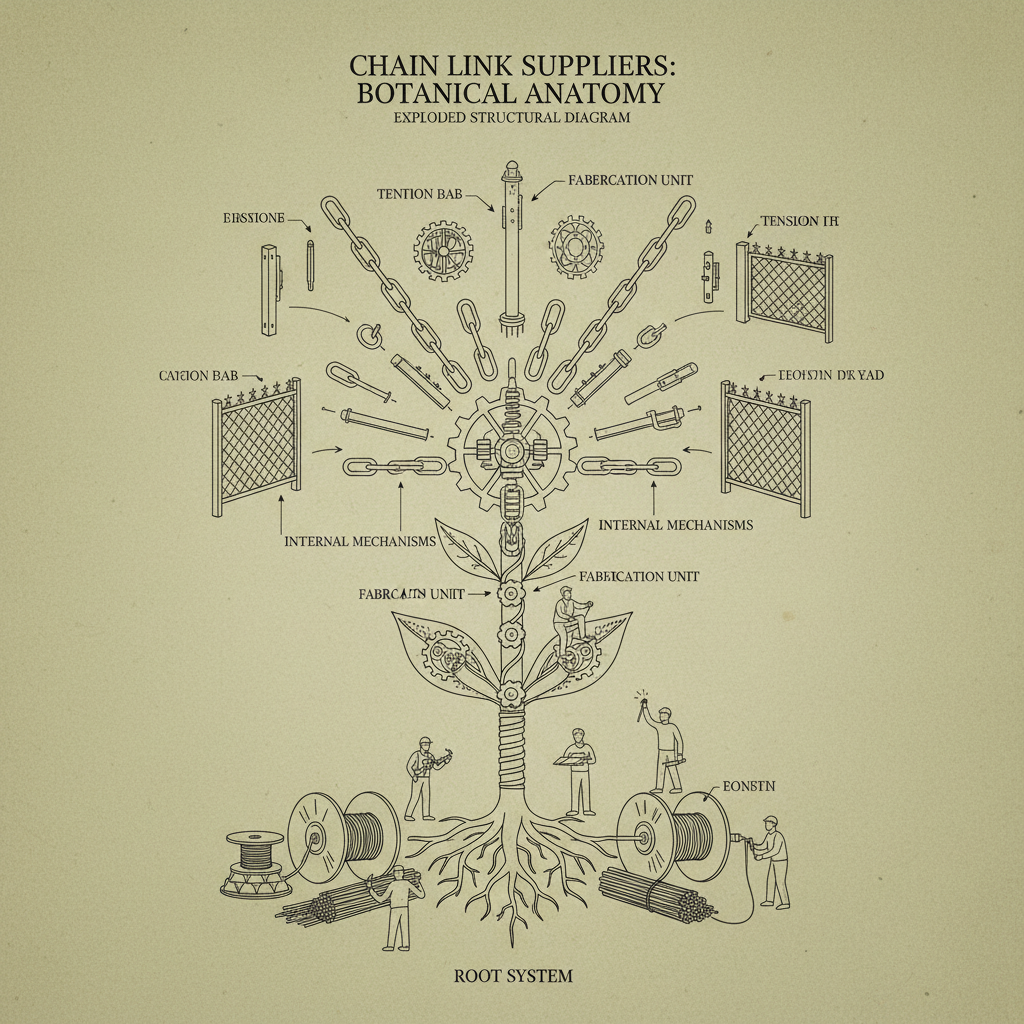
Chain Link Supplier Performance Indicators
Advantages and Disadvantages - Let's Be Real
The advantages are obvious: strength, durability, cost-effectiveness. It’s a workhorse material. But it's not perfect. It can be heavy to work with. It can rust if not properly treated. And… well, it’s not the prettiest thing in the world. It's functional, not fashionable.
Honestly, sometimes I think people overestimate the lifespan. They expect it to last forever, but everything degrades over time, especially when exposed to the elements. Proper installation and maintenance are key, but nobody wants to pay for that, do they?
Customization: The Debacle
Customization is possible, to a point. We can adjust the mesh size, the wire gauge, the coating. But sometimes, people want things that are just… impractical.
Last month, that small boss in Shenzhen who makes smart home devices insisted on changing the interface to . He wanted the wire mesh around his sensors to have a port for… I don’t even know what. "For future-proofing!" he said. It made absolutely no sense. It added cost, complexity, and frankly, just created a weak point. We tried to talk him out of it, but he wouldn't listen. He ended up with a batch of sensors that were more trouble than they were worth.
Core Performance Metrics – Rough Notes
Anyway, I think having a quick overview of the core things is useful. It's just scribbled down notes from years of being on site, but...
It comes down to a few things, really: holding power, corrosion resistance, ease of installation, and cost. You can't optimize for everything, you have to make trade-offs. It depends on the application, the environment, and the budget.
I’m constantly updating these figures as I see new failures and successes in the field. It's a never-ending process.
Key Performance Indicators for Wire Mesh Selection
| Mesh Type |
Corrosion Resistance (1-10) |
Installation Difficulty (1-10) |
Cost/Square Meter |
| Galvanized Steel – Standard |
6 |
3 |
$15 |
| Stainless Steel 304 |
9 |
5 |
$40 |
| High-Carbon Steel – Powder Coated |
7 |
4 |
$25 |
| Recycled Steel – Galvanized |
5 |
2 |
$10 |
| Galvanized Steel – Heavy Duty |
8 |
4 |
$20 |
| Plastic Coated Steel |
6 |
6 |
$30 |
FAQS
Honestly? Ignoring the steel quality. They get fixated on the gauge and forget that a thick wire made from weak steel is useless. It’ll bend, break, and cause headaches. Always ask about the steel’s carbon content and origin. If they can’t answer, walk away.
Crucial. The coating is the first line of defense against corrosion. But it has to be applied properly. Look for a uniform coating, no bare spots, and a good adhesion. A poorly applied coating will flake off within months, leaving the steel exposed. And that's when the problems start.
Galvanized steel is cheaper and offers good corrosion resistance for most applications. Stainless steel is more expensive, but it's far superior in harsh environments – saltwater, chemicals, etc. It won’t rust, period. But it’s not always necessary to go with stainless; it depends on the use case.
Yes, absolutely. Steel is highly recyclable. But the quality of the recycled steel can vary. You want to make sure it's been properly processed to remove impurities. Otherwise, you'll end up with a weaker, less durable product.
Depends on the environment, but with proper maintenance, you can expect 10-20 years from galvanized steel. Stainless steel can last much longer, even decades. But even stainless requires occasional cleaning and inspection.
Keep it dry! Store it indoors, if possible. If you have to store it outside, cover it with a tarp. And make sure it’s off the ground, to prevent moisture from wicking up. Proper storage can significantly extend its lifespan.
Conclusion
Ultimately, choosing the right wire mesh isn't about fancy specifications or lab results. It's about understanding your needs, knowing the materials, and choosing a supplier who knows their stuff. It's about picking something that'll actually hold up to the abuse of a real-world construction site.
And remember, whether this thing works or not, the worker will know the moment he tightens the screw. If it feels right, if it’s easy to work with, and if it holds its shape, you've made a good choice. If it bends, breaks, or corrodes, well... you know what to do.
 TEL:
+86-13102802206
TEL:
+86-13102802206
 Email:
fencenetting@china.com
Email:
fencenetting@china.com