TEL:
+86-13102802206
TEL:
+86-13102802206
 Email:
fencenetting@china.com
TEL:
+86-13102802206
Email:
fencenetting@china.com
Email:
fencenetting@china.com
TEL:
+86-13102802206
Email:
fencenetting@china.com


Look, I’ve been running around construction sites for fifteen years, getting dust in my teeth and smelling concrete all day. Chain link fence dealers… honestly, it’s something you don’t think about until you need a lot of it, fast. Lately, everyone’s wanting lighter gauge wire, you know? Trying to save a few bucks on materials. But that always comes back to bite you. They think it'll be ‘good enough’ for temporary fencing, perimeter security… but ‘good enough’ rarely cuts it when a storm rolls through, or, frankly, when someone tries to actually breach the security.
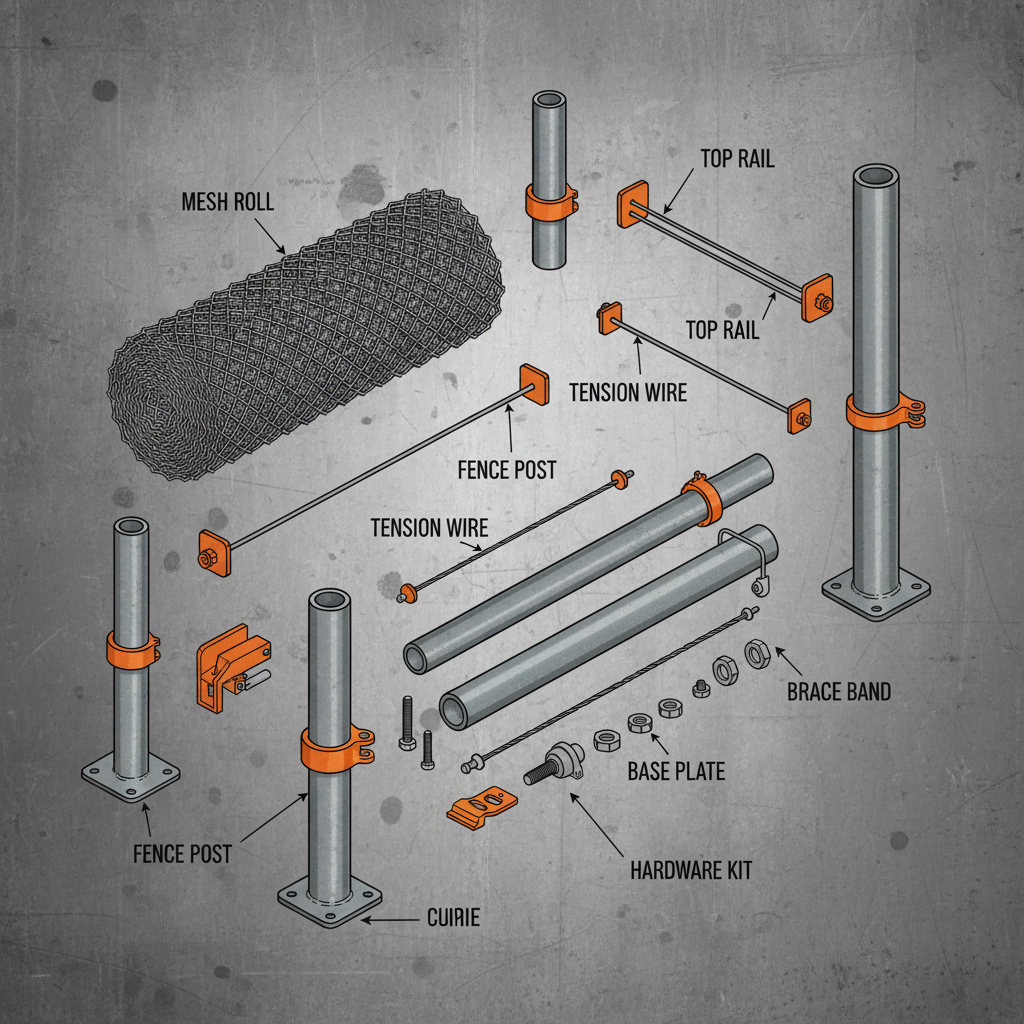
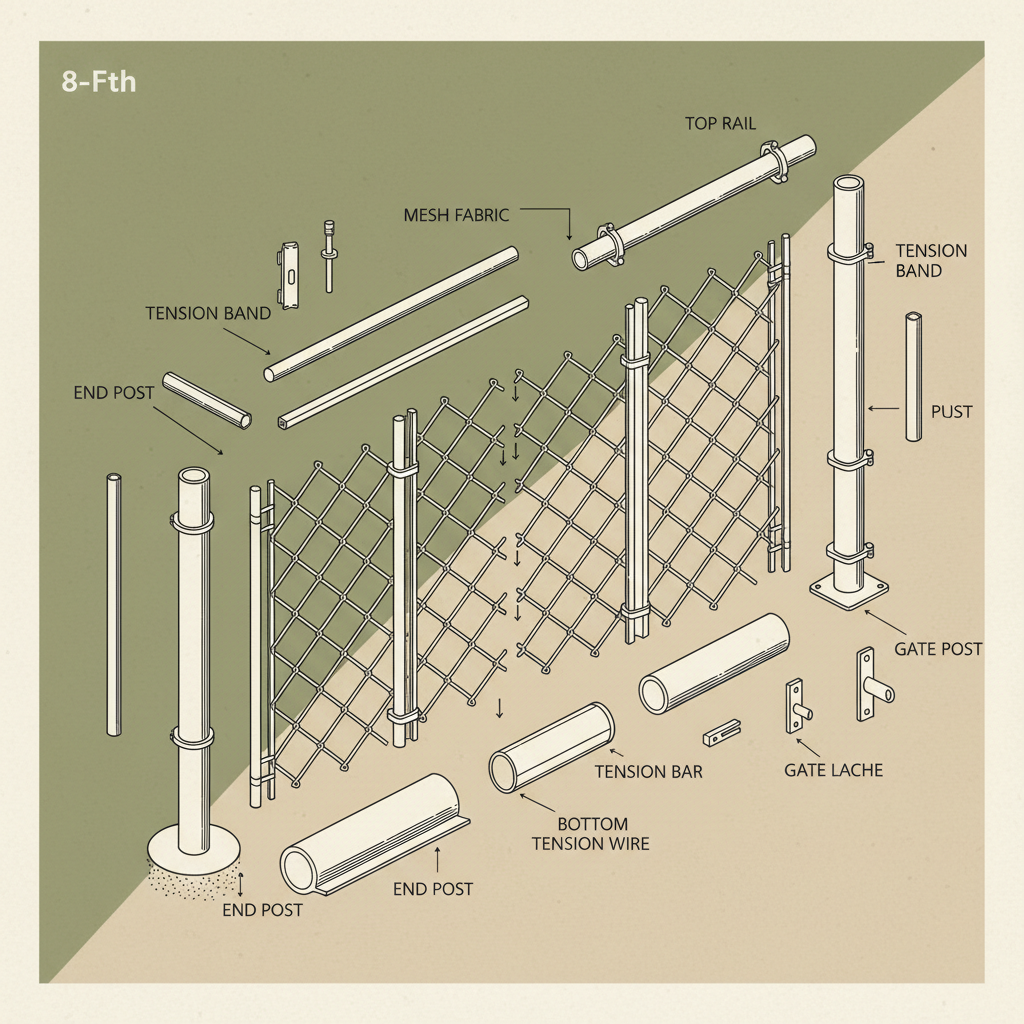
The biggest problem I see, and it's weird, is folks getting hung up on specs on paper and forgetting about real-world installation. You can have the fanciest coating, the highest tensile strength… doesn’t matter if the posts are set improperly. Seriously. I encountered this at a factory in Ningbo last time, they’d ordered a huge shipment of galvanized steel posts, top of the line, but the ground was all shale. The foreman was pulling his hair out trying to get them anchored.
And don’t even get me started on the different coatings. Galvanized is standard, right? Okay. But PVC coating? Vinyl? That’s where things get tricky. You've got different levels of adhesion, different UV resistance. Cheap vinyl gets brittle in the sun like you wouldn't believe. Smells like burning plastic, too, I remember that vividly from a job in Dubai. Anyway, I think everyone underestimates the importance of a good coating – it’s the first line of defense against corrosion, and out here, corrosion is the enemy.
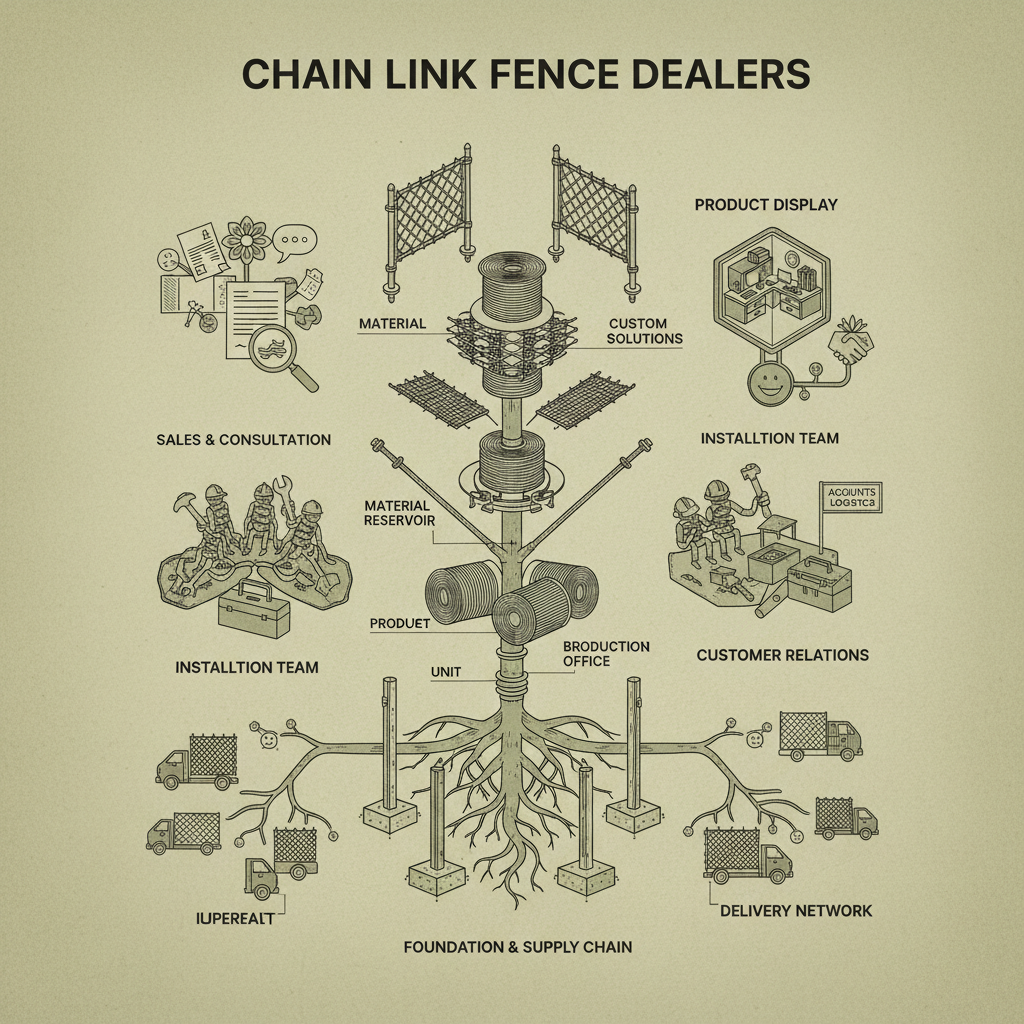
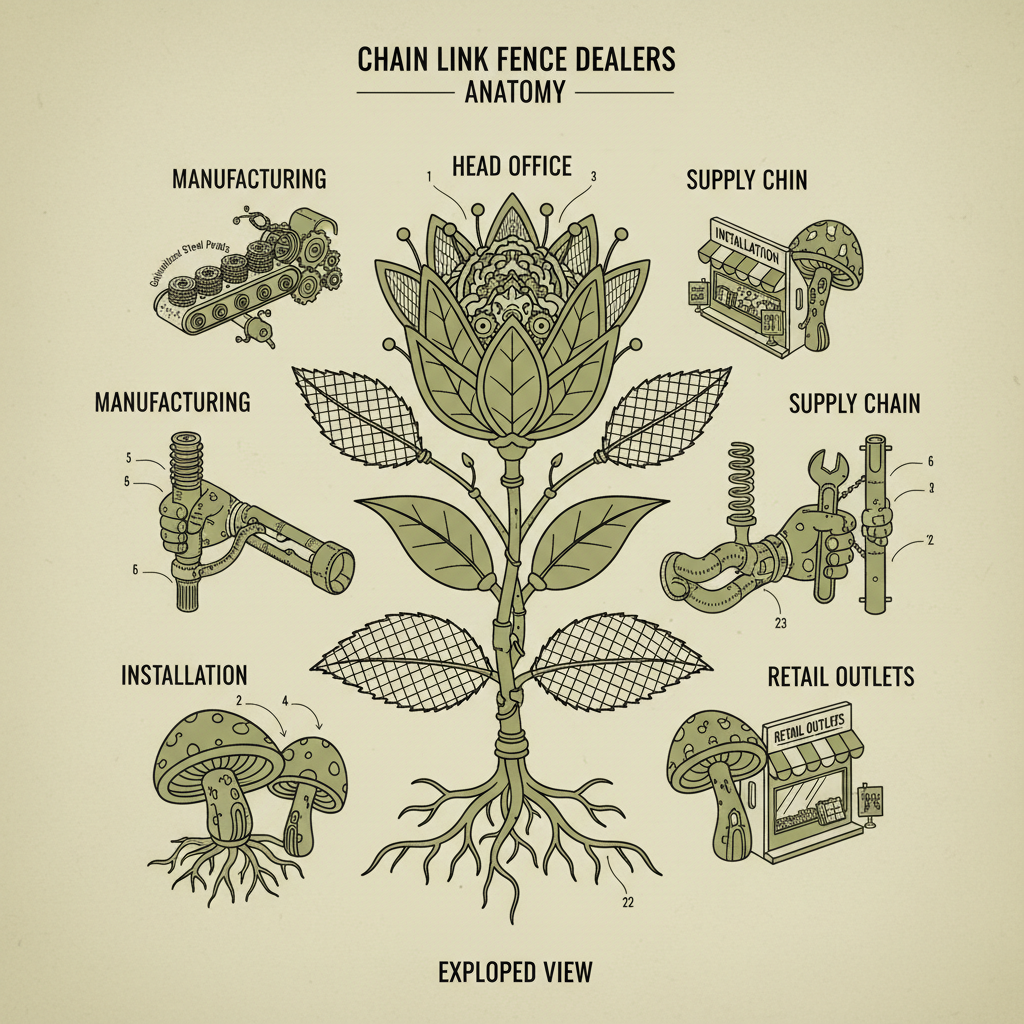
To be honest, the biggest shift I’ve seen isn’t in the fence itself, but in the delivery and installation. Pre-fabricated panels are huge now, obviously. Saves time, reduces on-site labor. But it also means you’re relying on the manufacturer to get everything right. And that’s where the headaches start.
We’re seeing more demand for security-grade chain link, particularly around critical infrastructure and data centers. Folks are getting serious about perimeter defense. That's pushing suppliers to offer higher gauge wire, heavier posts, and more sophisticated locking mechanisms. It's all about layers of protection, really.
A properly installed and maintained galvanized chain link fence can easily last 20-30 years, sometimes even longer. The key is the quality of the galvanization, the soil conditions, and regular inspections for corrosion. Areas with high salt content (like coastal regions) will require more frequent maintenance and may have a shorter lifespan. We often recommend a clear coat sealant every few years in those environments to extend the life of the coating.
Cost per foot varies wildly based on height, gauge of wire, post material, terrain, and labor rates. But you’re generally looking at $8-$20 per foot for materials and installation. That's a rough estimate, of course. Getting quotes from multiple chain link fence dealers is crucial. Don't just go with the cheapest bid; consider their experience and reputation.
Prevention is key. Make sure the fence is properly galvanized to begin with. Regularly inspect for any damaged coating (scratches, dents, etc.) and repair it immediately with a zinc-rich paint. Keeping the surrounding area clear of debris (leaves, dirt, etc.) can also help. And in particularly harsh environments, consider applying a clear coat sealant every few years.
Yes, but it needs to be done right. You’ll want a higher gauge wire, heavier posts, and potentially security toppings like barbed wire or razor ribbon. Properly grounded to prevent climbing and cutting, and reinforced gates with robust locking mechanisms are essential. Don't skimp on the security features – it’s a data center, after all.
Regulations vary significantly by location. Most municipalities have restrictions on fence height and require permits for installation. It's your responsibility to check with your local building department before starting any work. Ignoring the regulations can lead to fines and having to tear down the fence. A reputable chain link fence dealer should be able to guide you through the permitting process.
Absolutely. Privacy slats are a popular option. They're relatively inexpensive and easy to install. You can also use privacy fabric or grow vines on the fence. Just be careful with vines – they can add weight and potentially damage the fence over time. Make sure to choose a vine that's not too aggressive and won't completely engulf the wire.
So, there you have it. Chain link fence dealers isn’t glamorous work, but it’s essential. It's about understanding the materials, the installation techniques, and the real-world challenges. It’s not just about selling fence; it's about providing a secure and reliable solution for your customers. It’s about knowing which wire gauge to use, which post depth is appropriate, and which coating will hold up in the specific environment.
Ultimately, whether this thing works or not, the worker will know the moment he tightens the screw. That's it. If it feels solid, looks right, and can withstand a good pull, you’ve done your job. If not? Well, you’ll be getting a phone call. And trust me, you don't want that phone call. Visit our website at tywiremesh.com for all your chain link fencing needs.