Look, chain link fence wholesale… it’s not glamorous work, right? Been doing this for fifteen years, and I’m telling you, it’s changed a lot. Used to be, everyone just wanted the cheapest stuff. Galvanized steel, standard weave, done. But now? Everyone's talking about PVC coating, different gauges, even aluminum. It’s wild. I think it started around 2018, when a few big contractors started demanding longer warranties. Suddenly everyone had to up their game.
The demand globally is insane, especially in areas rebuilding after, well, everything going on. UN reports show a steady increase in demand for temporary fencing solutions in disaster relief zones, and honestly, it’s not slowing down. It’s not just about keeping people out, either. It's about creating safe zones, controlled access…things get complicated fast.
The Evolving Landscape of chain link fence wholesale
To be honest, people think it’s just wire mesh. But it's not. It’s about understanding the specifications. Wire gauge, coating thickness, the knot type… it all matters. A lot. I encountered a problem at a factory in Tianjin last time – they were using a lower grade steel for the frame, claiming it was "equivalent." Equivalent to what, exactly? It failed the bending test within a week. You have to be vigilant.
The biggest trend, hands down, is customization. People want specific colors, heights, even different weave patterns. No one wants the standard stuff anymore. They want their fence.
Defining Chain Link Fence Wholesale: More Than Just Metal
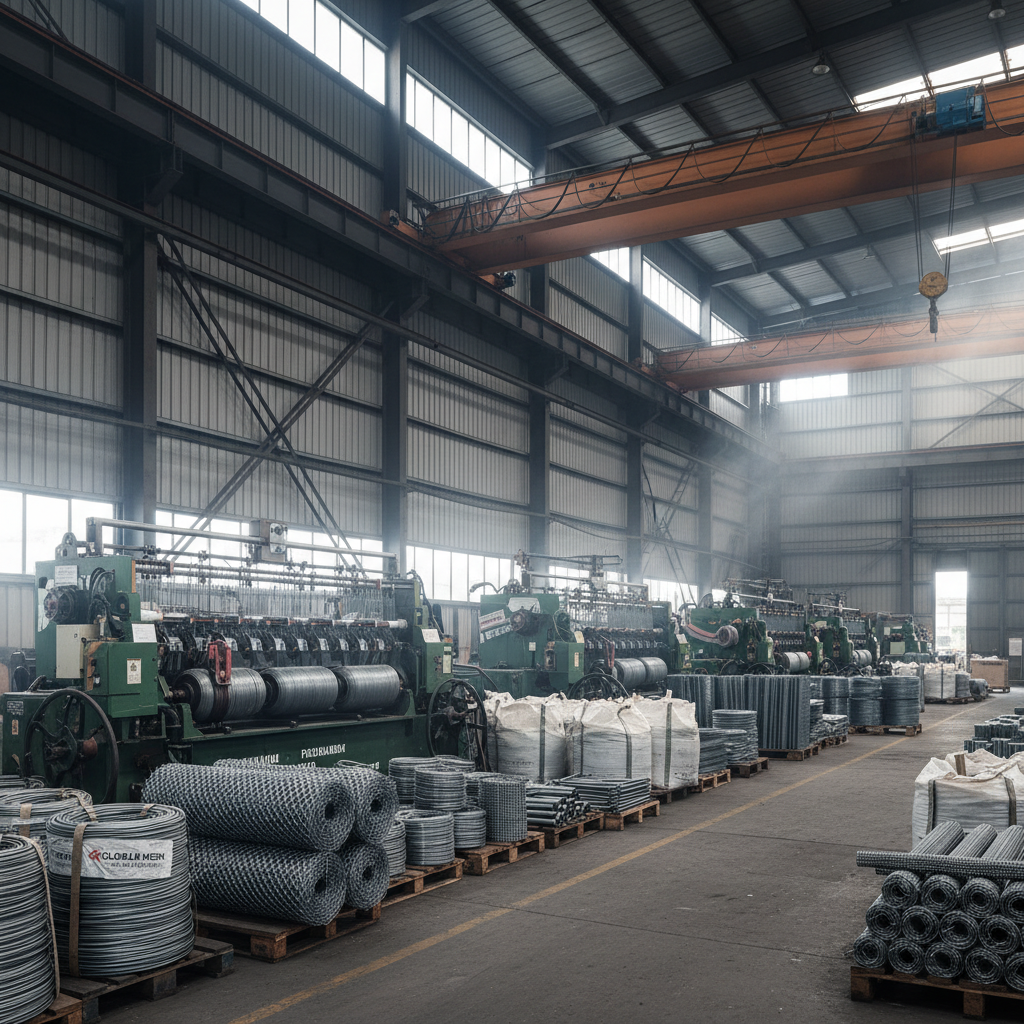
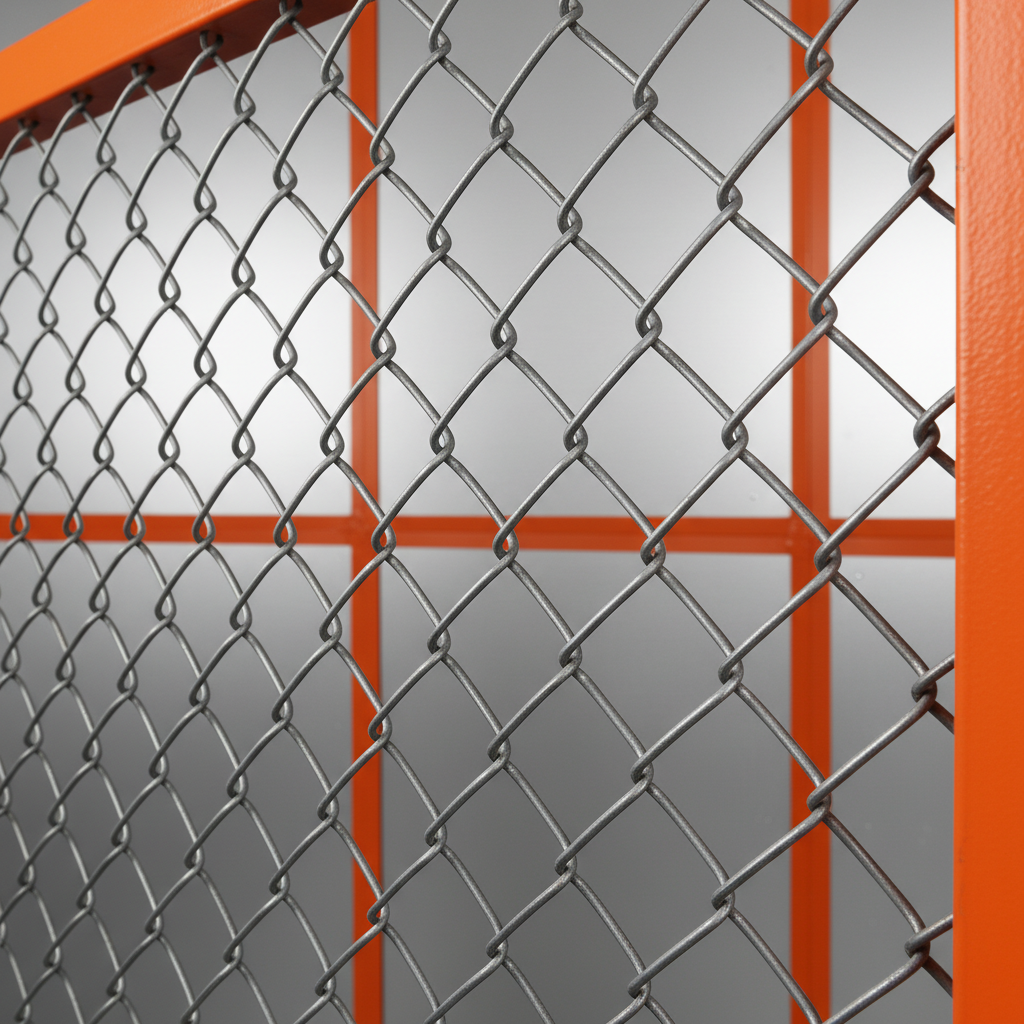
Okay, so chain link fence wholesale. What does that really mean? It's not just selling fence, it’s supplying the components in bulk to contractors, installers, even government agencies. It's about managing logistics, holding inventory, and understanding the entire supply chain. It's vital for large-scale projects – think securing construction sites, creating temporary enclosures for events, or even perimeter security for critical infrastructure.
It directly ties into modern industry because, well, everything needs to be secured. And in humanitarian contexts, it's about providing quick, effective solutions for temporary shelters, refugee camps, or disaster zones. Have you noticed how quickly these fences can go up? That’s the key.
It's a foundational element. It's not flashy, but it's essential.
Core Components of Quality Wholesale Chain Link
Durability is number one. You want something that can withstand the elements – rain, snow, wind, even people leaning on it. That means good galvanization, or a high-quality PVC coating. Strangely, the PVC coating is now getting as sophisticated as the steel itself – different UV inhibitors, different plasticizers... it’s a whole world.
Scalability is huge. Can you supply a small job of 50 feet, or a massive project needing a mile of fencing? The ability to handle both is critical. This relies heavily on supplier relationships and inventory management. I learned the hard way – running out of a specific gauge wire in the middle of a job is a disaster.
Cost efficiency, of course, matters. But cheap isn't always better. You have to balance price with quality. A fence that rusts out in a year isn't cost-effective, even if it was dirt cheap to begin with. And finally, ease of installation. A complex system that takes forever to put up is going to cost more in labor.
Global Applications and Real-World Deployments
You see it everywhere. Construction sites, schools, parks, industrial areas… It’s ubiquitous. In post-disaster relief operations, it’s used for establishing temporary security perimeters and creating safe zones. I was talking to a contractor who was working in Puerto Rico after the hurricane, and he said chain link saved lives. It provided a sense of security and order in a chaotic situation.
In remote industrial zones, like oil fields or mining operations, it’s used for securing perimeters and controlling access. They need something robust and reliable, and chain link fits the bill. Even in agriculture, it's used to protect crops from animals.
Chain Link Fence Wholesale Performance Metrics
The Long-Term Value Proposition of Chain Link Fencing
The biggest benefit is cost. It's one of the most affordable fencing options out there. And when properly maintained, it can last for decades. That’s a pretty good return on investment, if you ask me. Sustainability is also becoming a factor. Recycled content is increasingly available, and steel is itself recyclable.
From a safety and security standpoint, it provides a clear deterrent. It's not impenetrable, obviously, but it makes it harder for unauthorized access. And frankly, the psychological effect is important too – people feel safer knowing there's a physical barrier.
Future Trends and Innovations in Wholesale Chain Link
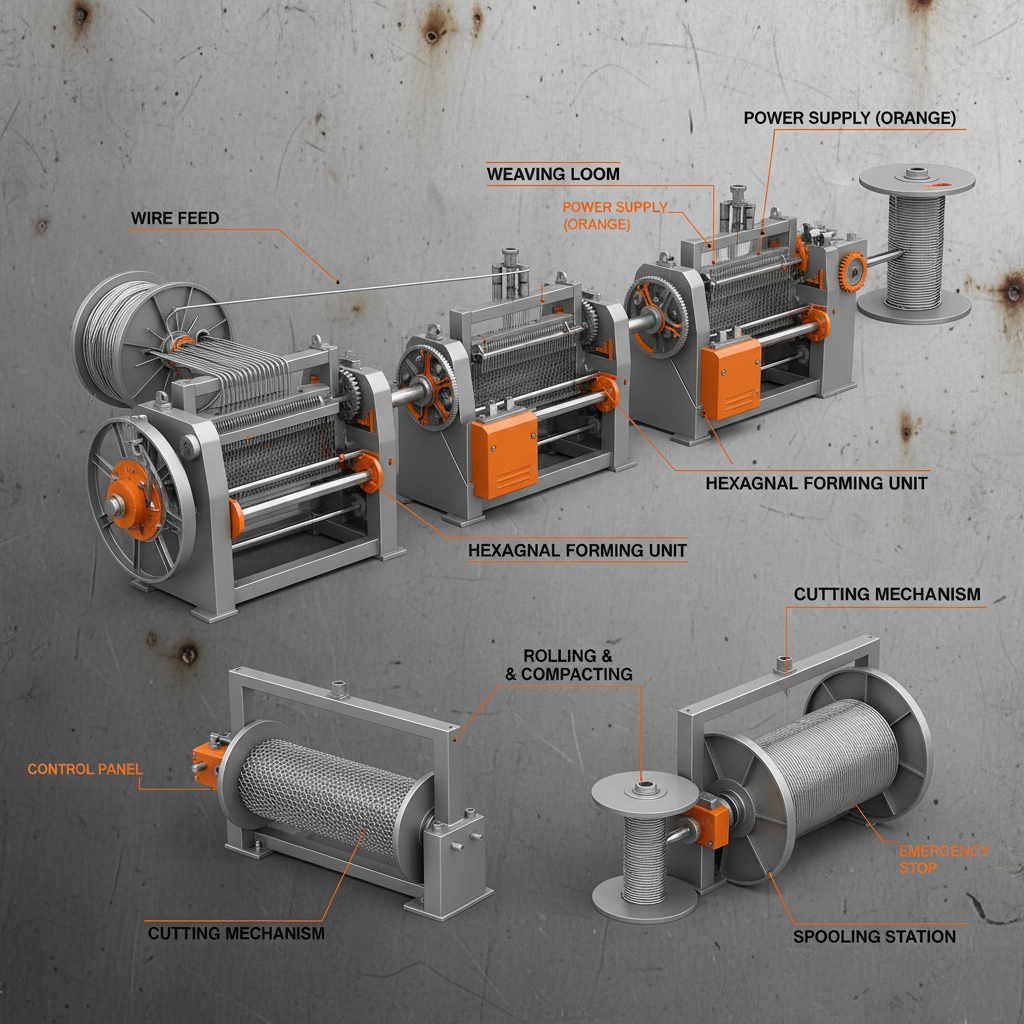
I think we'll see more automation in the manufacturing process, leading to lower costs and higher precision. Digital twin technology – creating virtual models of fences – is also gaining traction. It allows contractors to visualize the final product and identify potential issues before installation. Anyway, I think we're going to see more smart fencing integrated with security systems and sensors.
The push for more sustainable materials will also continue. We’re already seeing bio-based coatings and recycled steel options becoming more common. It’s slow going, but it’s happening.
Common Challenges and Practical Solutions
Corrosion is always a challenge, especially in coastal areas or industrial environments. Proper galvanization and PVC coating are essential, but even then, regular maintenance is required. Supply chain disruptions are another issue. We saw major delays during the pandemic, and it highlighted the need for diversified sourcing.
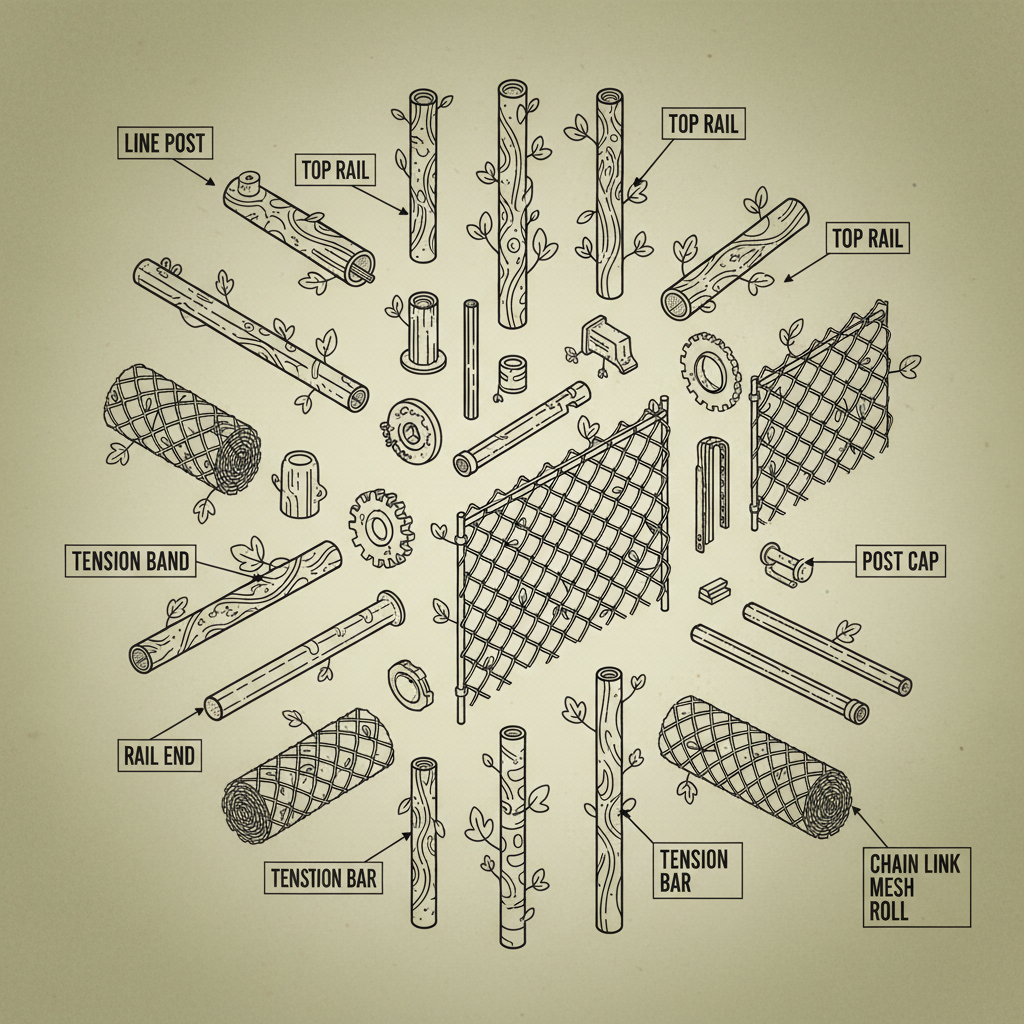
Another thing: people often underestimate the amount of hardware needed – posts, rails, tension bands, etc. It seems simple, but getting the details right is crucial. Later… Forget it, I won’t mention the story about that guy who ordered the wrong post caps.
And finding skilled installers is getting harder and harder. It's not rocket science, but it requires experience and attention to detail.
Overview of Key Considerations in Chain Link Fence Wholesale Quality Control
| Material Composition |
Coating Performance |
Structural Integrity |
Installation Compatibility |
| Steel Grade (Q195, Q235) |
Zinc Coating Thickness (60-80μm) |
Tensile Strength (500-600 MPa) |
Post Hole Diameter Consistency |
| Wire Diameter Variance |
PVC Coating Adhesion (ASTM D1003) |
Diamond Pattern Uniformity |
Hardware Component Compatibility |
| Galvanization Weight |
UV Resistance (ASTM G154) |
Bend Test Performance |
Connector System Robustness |
| Alloy Composition Analysis |
Salt Spray Resistance (ASTM B117) |
Shear Strength of Knots |
Bracket and Clamp Fit |
| Raw Material Certification |
Color Fastness (AATCC 163) |
Impact Resistance Testing |
Ease of Tensioning |
| Trace Element Analysis |
Flexibility at Low Temperatures |
Corrosion Resistance Assessment |
Overall System Stability |
FAQS
Generally, a properly installed and maintained PVC-coated chain link fence can last 15-20 years, sometimes even longer. The lifespan heavily depends on the quality of the coating, the gauge of the steel, and the environmental conditions. Coastal areas with high salinity will naturally experience faster corrosion, even with a PVC coating. Regular inspections and cleaning will extend the life significantly. We recommend annual inspections for any signs of damage or rust.
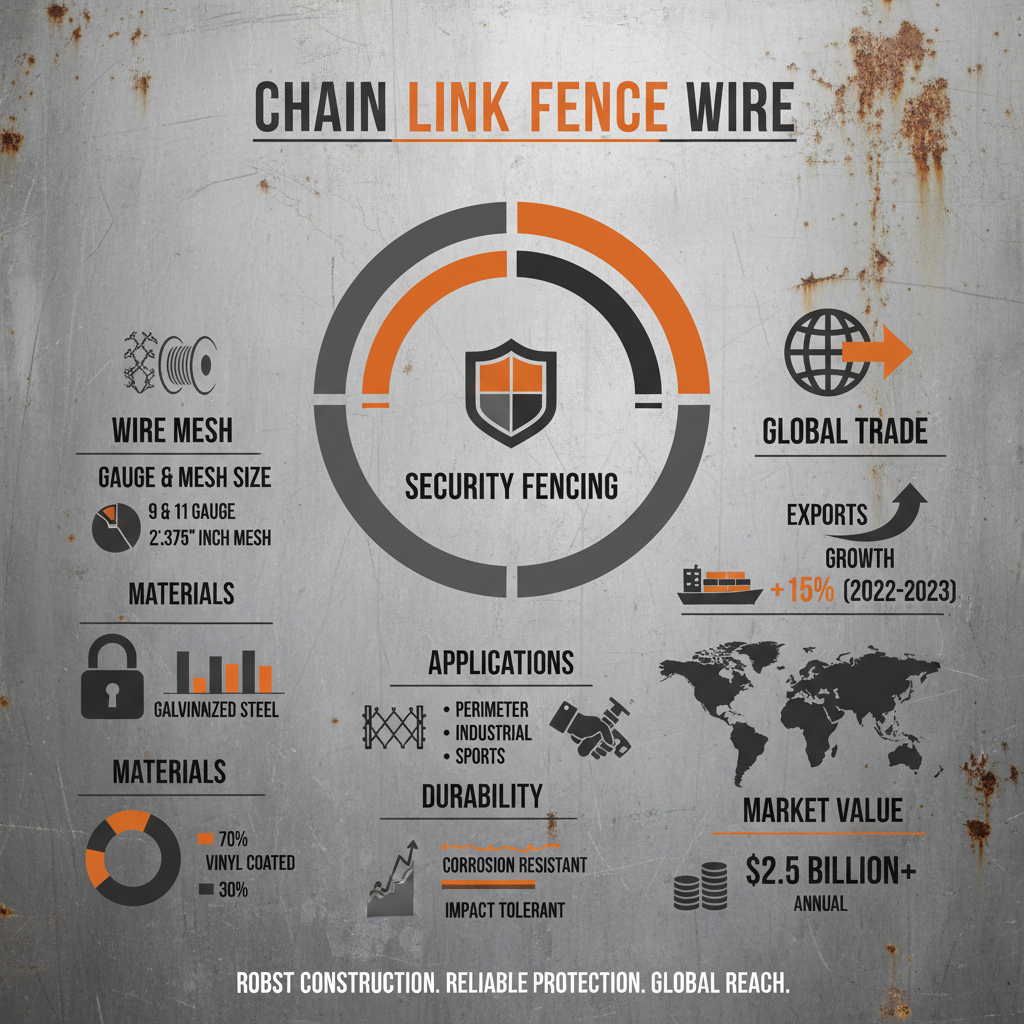
For commercial properties, we typically recommend a 9-gauge or 11-gauge chain link fabric. 9-gauge offers superior strength and security, making it ideal for high-risk areas. 11-gauge provides a good balance of security and cost-effectiveness for less critical areas. The post size and spacing are also crucial. Using heavier-duty posts and closer spacing will significantly increase the overall security of the fence.
Aluminum chain link is a good option in certain situations, primarily where corrosion is a major concern. It's lighter and won't rust, but it's significantly more expensive than steel. It’s also not as strong as steel, so it's not ideal for high-security applications. It's great for residential areas near saltwater, but for most commercial properties, steel with proper galvanization and coating is usually the more cost-effective choice.
Sagging is often caused by inadequate tensioning during installation, insufficient post spacing, or ground settlement. Sometimes, the posts themselves aren't set deep enough to provide adequate support. Regularly checking and re-tensioning the fence is crucial. If the ground is settling, you may need to add additional bracing or replace the posts. Properly sized and installed bracing is also key to preventing sagging over time.
Absolutely. PVC-coated chain link is available in a wide range of colors. Black is the most popular, but we offer green, brown, grey, and even custom colors. The color is applied during the PVC coating process, ensuring a durable and weather-resistant finish. Just keep in mind that custom colors may have longer lead times and higher costs. Last month, a small boss in Shenzhen who makes smart home devices insisted on changing the interface to , and the result was a three-week delay and a frustrated client!
Regular cleaning and maintenance are essential. Wash the fence annually with mild soap and water to remove dirt and debris. Applying a clear coat sealant can provide an extra layer of protection, especially in harsh environments. Promptly address any scratches or damage to the galvanization, as this exposes the steel to corrosion. Also, avoid using harsh chemicals or abrasive cleaners, as these can damage the protective coating.
Conclusion
So, there you have it. Chain link fence wholesale isn’t just about selling wire. It’s about understanding materials, anticipating problems, and delivering solutions that last. It’s about navigating a complex supply chain and meeting the evolving needs of a diverse customer base. From the smallest residential job to the largest industrial project, a good fence makes a difference.
Ultimately, whether this thing works or not, the worker will know the moment he tightens the screw. That’s the truth of it. If you're looking for a reliable wholesale supplier, with competitive pricing and expert advice, visit our website. We've been in this business long enough to know what works – and what doesn't.
 TEL:
+86-13102802206
TEL:
+86-13102802206
 Email:
fencenetting@china.com
Email:
fencenetting@china.com