TEL:
+86-13102802206
TEL:
+86-13102802206
 Email:
fencenetting@china.com
TEL:
+86-13102802206
Email:
fencenetting@china.com
Email:
fencenetting@china.com
TEL:
+86-13102802206
Email:
fencenetting@china.com


Chain link fence material suppliers play a crucial role in a vast range of industries, from securing residential properties to protecting critical infrastructure. The global demand for these materials is consistently high, driven by increasing security concerns, rapid urbanization, and growing industrial activity. Understanding the intricacies of this supply chain, including material sourcing, manufacturing processes, and quality control, is essential for businesses and organizations relying on secure perimeter solutions. Efficient and reliable chain link fence material suppliers are integral to maintaining safety and security worldwide.
The market for chain link fence materials is complex, influenced by factors such as raw material prices, geopolitical events, and technological advancements. A robust supply chain ensures timely delivery of essential components like galvanized steel wire, PVC coatings, and fitting accessories. The quality of these materials directly impacts the longevity and performance of the fence, making supplier selection a critical decision. Many companies now prioritize suppliers with strong environmental and ethical practices, contributing to a more sustainable industry.
Effective management of chain link fence material suppliers is vital for project success, cost control, and mitigating potential risks. Businesses must carefully evaluate supplier capabilities, assess their production capacity, and ensure compliance with industry standards. The evolution of this sector is constant, demanding adaptability and a proactive approach to sourcing and logistics.
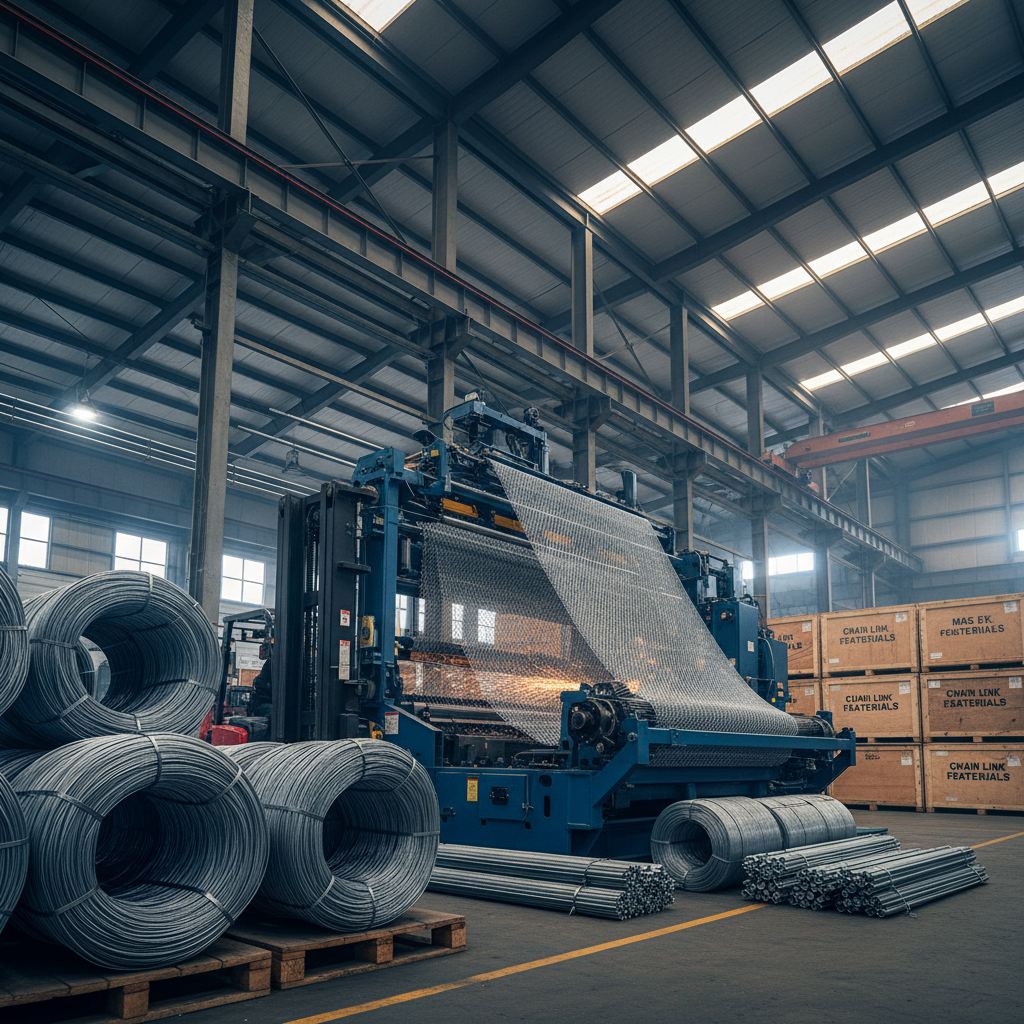
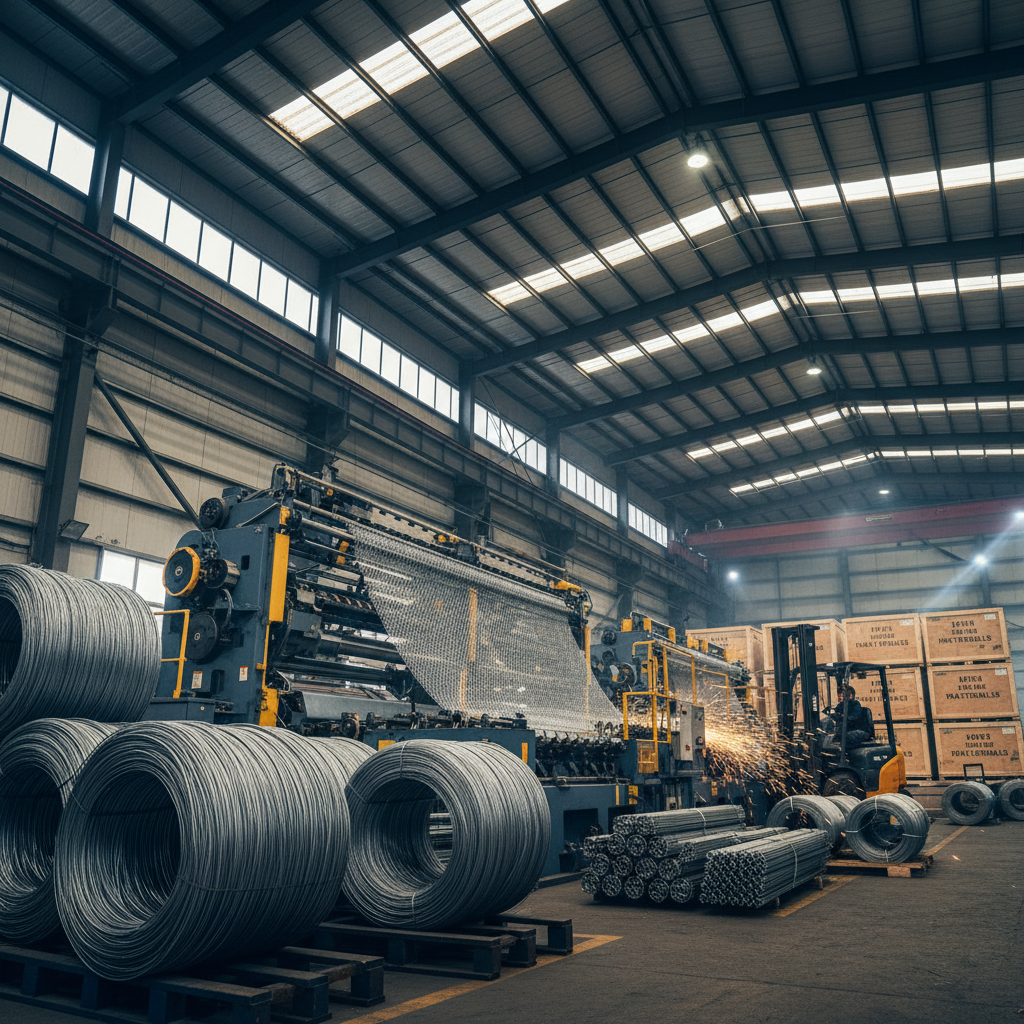
The global network of chain link fence material suppliers is a complex web of manufacturers, distributors, and logistics providers. Key players are concentrated in regions with robust steel production capabilities, such as China, India, and Eastern Europe. The United Nations estimates that global construction spending, a major driver of demand for fencing, will reach $18 trillion by 2030, underlining the importance of a stable and efficient supply chain. According to the World Steel Association, global steel production exceeded 1.8 billion tonnes in 2022, demonstrating the scale of the raw material supply needed to meet fencing demands.
Geopolitical instability and fluctuating commodity prices pose significant challenges to this landscape. Recent trade disputes and supply chain disruptions have highlighted the need for diversification and resilient sourcing strategies. Companies are increasingly seeking suppliers with robust risk management protocols and the ability to adapt to changing market conditions.
When choosing a chain link fence material supplier, prioritize factors like product quality (certifications are key), consistent supply, competitive pricing, and excellent customer service. Assess their production capacity, lead times, and ability to meet your specific project requirements. Also, consider their commitment to sustainability and ethical sourcing practices. Checking customer reviews and references is also crucial to ensure reliability.
To ensure quality, request material test reports and certifications from the supplier. Verify that the materials meet industry standards (e.g., ASTM specifications). Inspect the materials upon delivery for any damage or defects. Consider conducting your own independent testing to confirm compliance. Establish a clear quality control process with the supplier and maintain open communication throughout the transaction.
Typical lead times vary depending on the supplier, material availability, and order quantity. Generally, standard materials may have a lead time of 1-2 weeks, while custom orders or large quantities could take 4-6 weeks or longer. It’s crucial to confirm lead times with the supplier upfront and factor them into your project schedule. Supply chain disruptions can also impact lead times, so it's wise to inquire about contingency plans.
To minimize disruptions, diversify your supplier base and avoid relying on a single source. Establish long-term relationships with multiple reliable chain link fence material suppliers. Maintain safety stock of critical materials to buffer against unforeseen delays. Implement robust inventory management practices and monitor geopolitical risks that could impact the supply chain.
Chain link fence material pricing is influenced by several factors, including steel prices, raw material costs, energy prices, and transportation expenses. Currently, steel prices are volatile due to geopolitical events and global economic conditions. Demand fluctuations also impact pricing. It’s recommended to obtain quotes from multiple suppliers and negotiate favorable terms. Long-term contracts can often provide price stability.
Many chain link fence material suppliers offer custom fabrication services, such as cutting, bending, and welding. This can be particularly useful for projects with unique requirements or complex designs. Inquire about the supplier's fabrication capabilities and lead times. Provide detailed specifications and drawings to ensure accurate results. Custom fabrication can often save time and reduce on-site labor costs.
In conclusion, understanding the landscape of chain link fence material suppliers is paramount for success in projects demanding secure perimeters. Prioritizing quality, reliability, and strategic partnerships can mitigate risks, optimize costs, and ensure project timelines are met. The critical role these suppliers play extends beyond mere material provision; they are integral to safety, security, and infrastructure development across diverse industries.
Looking ahead, embracing innovations in sustainable materials, digitalization, and smart technologies will define the future of this sector. Businesses should actively seek suppliers committed to these advancements to gain a competitive edge and contribute to a more resilient and responsible supply chain. Visit our website today at www.tymetalwiremesh.com to explore how we can fulfill your chain link fence material needs.