Factors Influencing Gabion Wire Mesh Price and Quality
When budgeting for erosion control or landscape stabilization, understanding the factors that influence gabion wire mesh price is critical for project feasibility. These heavy-duty wire structures, designed to hold rock and soil, rely heavily on the quality of the raw wire and the coating applied to resist corrosion. Depending on whether the application requires standard black iron wire, galvanized steel, or PVC-coated options, the cost structure changes significantly.
For procurement managers and civil engineers, the choice often boils down to a balance between initial expenditure and long-term durability. Selecting a mesh with the correct tensile strength and corrosion resistance ensures that the structure remains intact under extreme environmental pressure. By examining the material specifications and manufacturing processes, buyers can optimize their procurement strategy without compromising the structural integrity of their infrastructure projects.

Core Materials and Manufacturing Processes for Wire Mesh Systems
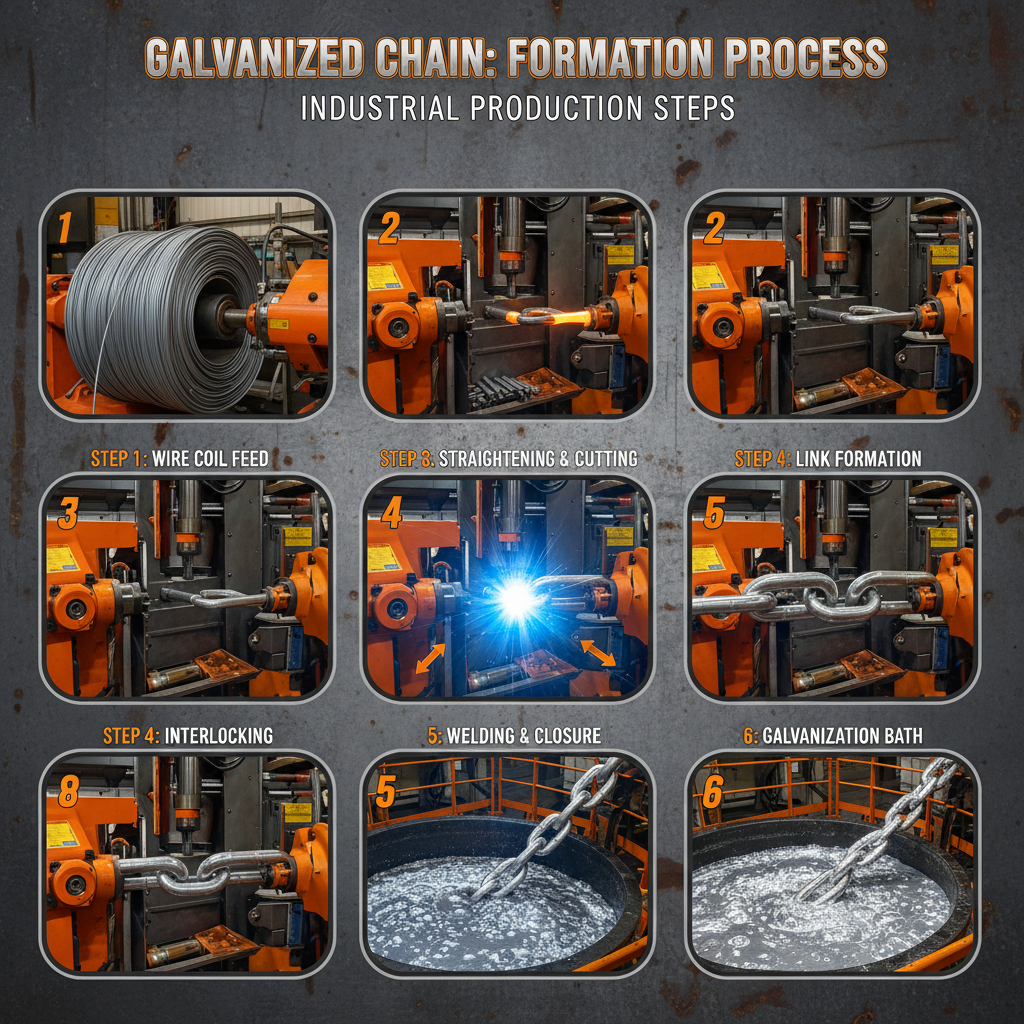
The foundation of any high-quality wire mesh product lies in the raw material. At Hebei Tengyuan, we utilize super quality low carbon steel wire and iron wire rods to ensure structural stability. The manufacturing process typically begins with wire-drawing, where the rod is pulled through dies to achieve the precise gauge required for the application. For standard black drawn iron wire, the process involves drawing, coiling, and anti-rust oil spraying to provide a basic level of protection against oxidation.
For more demanding environments, thermal annealing is employed to create soft annealed wire. This process increases flexibility and softness, which is essential for binding materials in construction. The sequence involves wire-drawing, annealing, coiling, and final oil spraying. This flexibility allows the wire to be shaped and tied without snapping, making it an ideal choice for various tying applications across the construction industry.
Quality control is maintained through the adoption of ISO9001:2008 and ISO 14000 standards. By utilizing complete testing and measuring equipment, manufacturers can guarantee that the tensile strength remains within the 500-980 N/mm2 range. This technical precision ensures that the resulting mesh can withstand the lateral pressure of the stones filled within the gabion boxes, preventing deformation over time.

Technical Selection Criteria for Infrastructure Stabilization Products
Selecting the appropriate wire gauge is the most critical step in determining the performance and gabion wire mesh price. The wire diameter typically ranges from 0.18mm to 4mm, with popular sizes such as BWG16, 18#, 19#, 20#, and 22# being the most sought-after for general construction. A thicker gauge provides higher load-bearing capacity but increases the overall weight and material cost of the unit.
Beyond diameter, the coating is a primary driver of longevity. While oil-painted black wire is economical and suitable for short-term or protected use, galvanized coatings are necessary for outdoor exposure. The choice of coating determines how the mesh interacts with moisture and soil chemistry, directly impacting the replacement cycle of the stabilization wall. Buyers must evaluate the salt levels and humidity of the site to decide if standard galvanization or a PVC-coated layer is required.
Furthermore, the weaving method—whether it is welded, hexagonal, or square mesh—affects the rigidity of the structure. Welded wire mesh offers superior dimensional stability, whereas hexagonal netting provides a degree of flexibility that allows the structure to settle naturally with the terrain. This adaptability is often a key requirement for riverbank protection and slope stabilization projects.
Practical Applications and Environmental Considerations for Mesh Boxes
Gabion systems are versatile tools used across multiple engineering sectors. In highway and railway construction, they serve as retaining walls that allow for natural drainage, reducing the hydrostatic pressure that often leads to the collapse of traditional concrete walls. Their permeable nature makes them an environmentally friendly alternative, as they can support the growth of vegetation over time, blending the infrastructure into the natural landscape.
In coastal and riverine environments, these mesh structures are utilized for riprap and shoreline protection. The ability to fill the mesh with locally sourced stone reduces transportation costs and minimizes the carbon footprint of the project. However, in these high-corrosion zones, the reliance on low-carbon steel is supplemented with heavy galvanization to prevent the wire from rusting through and causing the box to burst.
Residential and urban planning also utilize these products for architectural features, such as decorative fencing or seating walls. In these scenarios, the aesthetic quality of the wire and the precision of the weave are prioritized. By providing a stable yet porous structure, gabions solve the problem of soil erosion while adding a modern industrial element to urban design.
Material Specification and Performance Comparison
| Wire Type | Typical Gauge Range | Tensile Strength | Primary Use Case |
|---|---|---|---|
| Black Drawn Wire | BWG8 - BWG34 | 500-980 N/mm2 | Mesh weaving & Nails |
| Soft Annealed Wire | BWG16 - BWG22 | Medium-Low | Construction Binding |
| Galvanized Wire | Application-specific | High | Outdoor Erosion Control |
| PVC Coated Wire | Application-specific | High | Marine/Coastal Defense |
| Stainless Steel | Application-specific | Very High | Chemical/High-End Arch |
Procurement Strategies for Large-Scale Wire Mesh Projects
For large-scale procurement, buyers should move beyond looking at the unit cost and instead focus on the Total Cost of Ownership (TCO). This includes evaluating the packaging and delivery logistics. Hebei Tengyuan offers flexible packaging options, from wax paper and PVC bags to gunny cloth and wooden pallets, ensuring that the material arrives at the site without surface damage or oxidation. Proper packaging prevents the "white rust" often seen in poorly handled galvanized products.
Customization is another key factor. Since no two terrain projects are identical, the ability to order specific coil weights—such as 25kg, 100kg, or up to 800kg—allows contractors to optimize their on-site handling equipment. Whether the project requires spool wire, big packages, or cut U-type wire, matching the delivery format to the installation method reduces labor costs and waste.
Finally, verifying the supplier's certification is non-negotiable. A manufacturer with ISO validation ensures that the wire consistency is stable across thousands of tons. This prevents "weak points" in the mesh that could lead to localized failures in a retaining wall. When evaluating a quote, always ask for the specific grade of the low carbon steel used and the thickness of the anti-rust coating.
Future Trends in Soil Stabilization and Wire Technology
The industry is shifting toward "green infrastructure," where wire mesh is combined with bio-engineering. The integration of geotextiles with gabion boxes is becoming standard, providing an extra layer of filtration that prevents fine soil particles from washing away while the rocks provide the structural mass. This hybrid approach increases the service life of the stabilization project and enhances ecological recovery.
Technological advancements in coating chemistry are also reducing the reliance on heavy metals. New organic coatings are being developed that offer the same corrosion resistance as traditional galvanization but with a lower environmental impact. As regulations on zinc runoff become stricter in some regions, these innovative coatings will likely influence the future cost and availability of stabilization materials.
Moreover, the move toward modular, pre-assembled gabion units is reducing on-site installation time. By utilizing precision automated weaving and welding, manufacturers can provide boxes that fit together perfectly, eliminating the gaps that often lead to structural instability. This precision engineering ensures that the final installation is as strong as the theoretical design.
Frequently Asked Questions About Wire Mesh Costs
What factors most significantly affect the total cost of gabion wire?
The most significant factors are the raw material grade (low carbon steel vs. stainless), the wire gauge (thickness), and the type of corrosion protection (black annealed, galvanized, or PVC coated). Additionally, the total volume and packaging requirements can influence the final price per ton.
Is black annealed wire suitable for outdoor retaining walls?
Black annealed wire is primarily used for binding and construction due to its flexibility. For outdoor retaining walls, it is generally not recommended because it lacks the corrosion resistance needed for long-term exposure to soil and rain; galvanized or PVC-coated wire is preferred.
How do I choose the right wire gauge for my project?
The gauge should be chosen based on the expected load and the size of the fill stone. Heavier stones require a thicker gauge (lower BWG number) to prevent the wire from stretching or breaking. Consulting with a structural engineer to determine the required tensile strength is recommended.
What is the difference between black drawn wire and annealed wire?
Black drawn wire is a hard carbon steel wire suitable for weaving and nails. Annealed wire has undergone a thermal process to make it soft and flexible, making it ideal for tying and binding applications where the wire must be bent without breaking.
Can the wire mesh be customized for specific dimensions?
Yes, professional manufacturers can produce wire mesh in various specifications, including different mesh sizes, wire diameters, and custom lengths or coil weights to meet specific project requirements.
How is the quality of the wire mesh verified before shipping?
Quality is verified through tensile strength testing, diameter measurement using precision calipers, and coating thickness checks. Adherence to ISO9001:2008 and ISO 14000 standards ensures that these tests are performed consistently.
Technical Industry References
- Comprehensive Overview of Wire Mesh Types and Standards
- ISO Quality Management Systems for Metal Products
- ASTM International Standards for Steel Wire
- Engineering Principles of Soil Stabilization
Selecting the right wire mesh requires a deep understanding of both the material science and the environmental challenges of the site. By focusing on tensile strength, coating quality, and supplier certifications, you can ensure a durable and cost-effective stabilization solution.
Related Articles