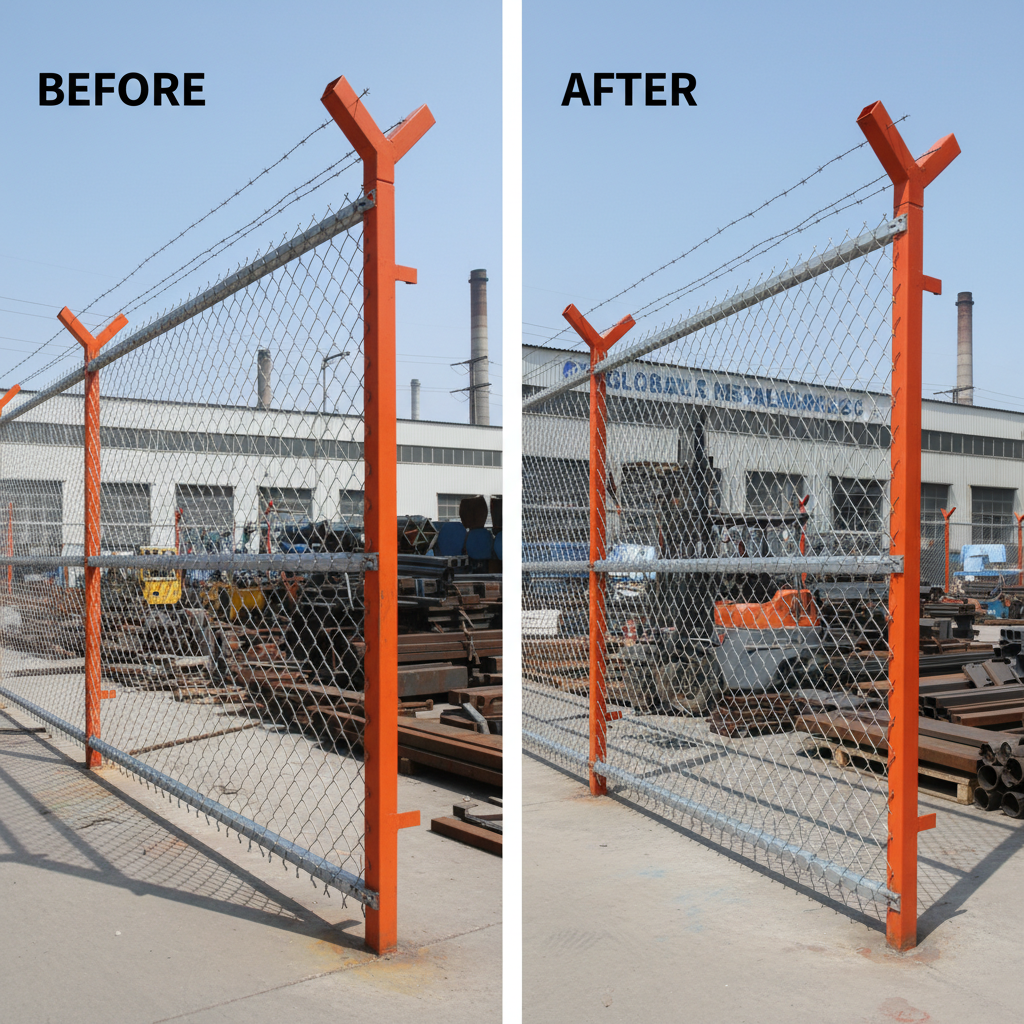
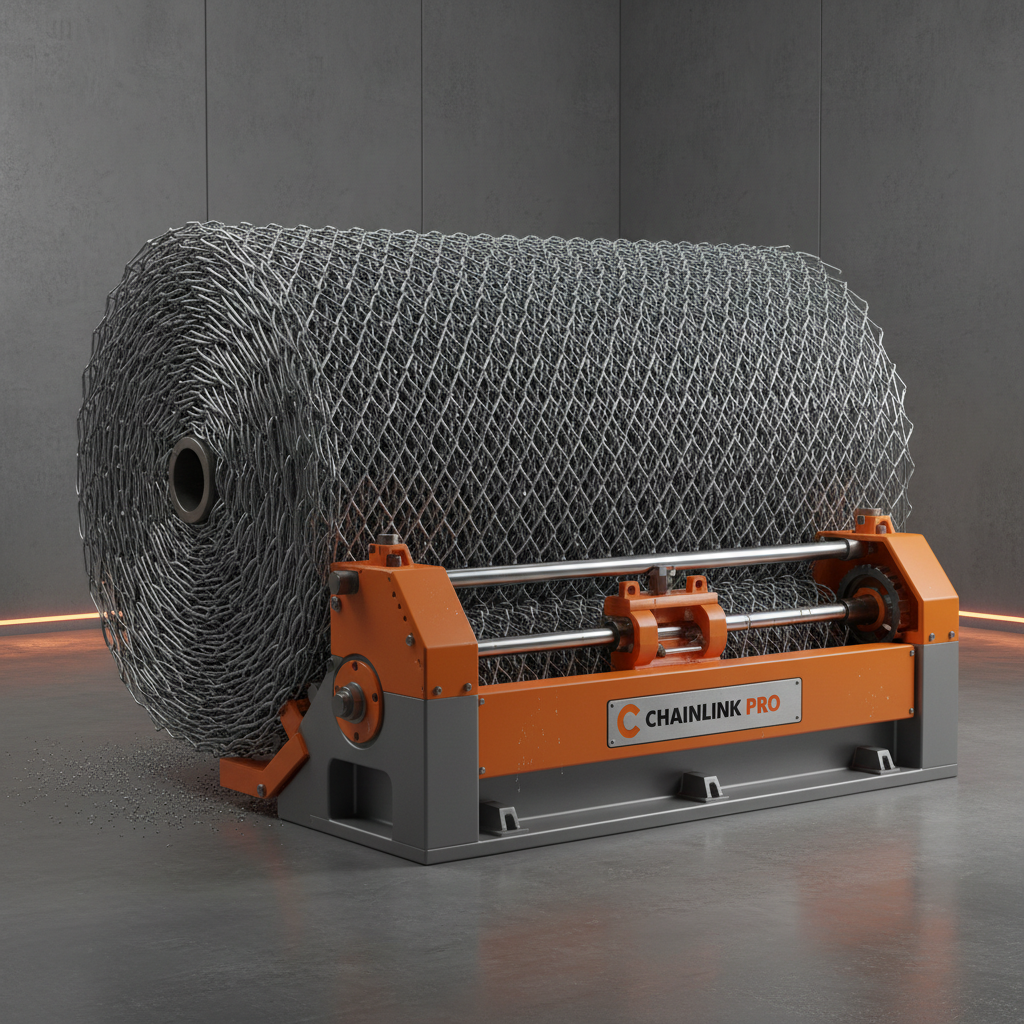
When looking to buy black chain link fence, property owners and procurement managers prioritize a balance between unobtrusive aesthetics and robust security. In the specialized metal wire products industry, black coatings are not merely for appearance; they serve as a critical barrier against corrosion while blending the perimeter into natural landscapes or urban backgrounds.
The primary challenge for buyers is navigating the difference between various coating technologies and wire grades. Choosing an inferior coating can lead to premature peeling and rust, while an over-engineered solution may result in unnecessary expenditure. Understanding the relationship between wire diameter, coating thickness, and environmental exposure is essential for a long-term investment.
This guide provides a comprehensive framework for selecting the right black chain link fencing, covering material specifications, coating evaluations, and supplier vetting processes to ensure you receive a product that meets industrial durability standards.

Defining Black Chain Link Specifications

Before you buy black chain link fence, you must define the technical parameters that govern its strength and longevity. The most critical specification is the wire gauge (diameter). For residential boundaries, a thinner wire may suffice, but industrial perimeters typically require heavy-duty gauges to prevent sagging and unauthorized entry. The mesh size—the distance between the wires—also determines the security level; smaller apertures are more secure but may obstruct views.
Hebei Tengyuan Wire Mesh Products Co., Ltd leverages extensive experience in metal wire production to provide a range of specifications. For those requiring extreme corrosion resistance, the use of stainless steel wires (such as AISI 304 or 316) provides an inherent defense that complements the black finish, ensuring the fence remains structurally sound even in humid or salty air.
Comparing PVC vs. Powder Coating
The "black" in black chain link fencing is achieved through different coating methods, each with distinct operational characteristics. PVC (Polyvinyl Chloride) coating is a thick plastic layer extruded over the wire. It is highly flexible and provides a thick barrier against moisture, making it ideal for areas with high physical contact or extreme weather. However, it can be susceptible to UV degradation if not stabilized with carbon black.
Powder coating, conversely, involves electrostatically applying a dry powder that is then cured under heat. This results in a thinner, harder finish that is more resistant to scratching and provides a more "matte" professional look. While PVC is often preferred for its thickness, powder coating is favored for industrial applications where a sleek, hard-wearing surface is required.
Material Selection: Carbon Steel vs. Stainless Steel
The core material beneath the black coating determines the fence's ultimate lifespan. Galvanized carbon steel is the industry standard, where the steel is coated in zinc before the black finish is applied. This "dual-layer" protection prevents rust from spreading if the black coating is scratched. It is a cost-effective solution for most commercial and residential needs.
For high-corrosion environments—such as chemical plants or coastal regions—stainless steel is the superior choice. Using grades like 316L, which contains molybdenum, offers exceptional resistance to chlorides. When you buy black chain link fence made from stainless steel, you are investing in a product that resists oxidation at the molecular level, reducing maintenance cycles and eliminating the risk of "rust bleeding" through the black coating.
Performance Evaluation by Environment
Different environments place varying stresses on the black coating and the underlying metal. In urban settings, the primary concern is aesthetic maintenance and mild pollutants. In coastal zones, salt spray accelerates the breakdown of standard galvanized coatings. In industrial zones, chemical exposure can erode thin powder coatings. The following conceptual data illustrates the relative durability scores of common black fencing types across these scenarios.
The chart above uses a normalized score (1-100) to represent relative durability. It is evident that while standard PVC-coated galvanized steel performs well in residential areas, the combination of stainless steel and specialized coatings is necessary for high-salinity or industrial environments to avoid rapid deterioration.
Critical Procurement Parameters
To ensure quality when sourcing, buyers must move beyond price and look at the technical data sheet. First, verify the zinc coating weight of the galvanized core; a higher GSM (grams per square meter) means better internal protection. Second, check the coating thickness of the black layer. For PVC, this is usually measured in microns; too thin a layer will crack under tension during installation.
Additionally, ensure the manufacturer follows ISO 9001 standards. Hebei Tengyuan, for instance, operates under ISO 9001 accreditation, which ensures that the wire drawing and weaving processes remain consistent. Consistency in wire diameter prevents "weak spots" in the mesh that could be exploited or fail under wind loads.
Common Installation and Sourcing Pitfalls
A common mistake when you buy black chain link fence is neglecting the accessories. If you purchase high-quality black mesh but use standard silver galvanized posts and rails, the fence will look mismatched and the uncoated components will rust faster. Always ensure that the posts, tension bars, and ties are coated in the same black finish as the fabric.
Another risk is the "tension failure." Over-tightening the fence can stretch the PVC coating, causing it to thin or split at the knuckled edges. This exposes the core wire to moisture, leading to localized rust. Professional installation requires precise tensioning that maintains the integrity of the polymer layer while keeping the fence taut.
Decision Framework for Fencing Solutions
Selecting the right black chain link fence requires matching the material and coating to the specific site requirements. The following table provides a comparative analysis of the most common configurations used in the metal wire products industry to help buyers make an informed decision based on their budget and environmental constraints.
| Configuration | Primary Strength | Best Use Case | Main Risk |
|---|---|---|---|
| Galvanized + PVC | High Impact Resistance | Residential / Parks | UV Fading |
| Galvanized + Powder | Hard Surface Finish | Urban Commercial | Chipping |
| Stainless + PVC | Extreme Corrosion Resistance | Coastal / Marine | Higher Initial Cost |
| Stainless + Powder | Sleek Industrial Look | Chemical Plants | Specialized Application |
| Heavy Gauge Galvanized | Structural Rigidity | Industrial Perimeters | Visual Bulk |
| Light Gauge PVC | Cost Efficiency | Temporary Barriers | Low Security |
Ultimately, the choice depends on the trade-off between initial investment and the desired maintenance cycle. For most, galvanized steel with a high-quality black PVC coating offers the best ROI, whereas stainless steel is non-negotiable for high-salinity environments.
Frequently Asked Questions
Yes, all polymer coatings can fade due to UV exposure. However, high-quality black PVC coatings are infused with carbon black, which acts as a UV stabilizer to significantly slow down the fading process compared to other colors.
"Black-coated" typically implies a galvanized core that has been coated in PVC or powder. A fence that is simply "black" without a galvanized core will rust almost immediately once the coating is breached.
Yes, provided you select a heavy-gauge wire and a smaller mesh aperture. The black coating does not compromise the strength of the steel; it only adds a layer of protection and aesthetic value.
The most effective way is to use tension bars and bands to secure the edges, ensuring that the exposed wire ends are minimized and protected by the coating or a capping system.
In coastal or chemically aggressive environments, yes. It eliminates the risk of rust bleeding through the black coating, which is a common failure point in galvanized systems.
For stainless steel, AISI 304 is standard, and 316 or 316L is recommended for marine environments. For carbon steel, ensure it is hot-dip galvanized before the black coating is applied.
Conclusion
The decision to buy black chain link fence should be driven by a technical analysis of the environment and the intended security level. By prioritizing the quality of the core metal—whether galvanized carbon steel or high-grade stainless steel—and selecting a coating method (PVC or Powder) that matches the expected wear and tear, buyers can ensure a perimeter that is both discreet and durable.
For procurement managers and property owners seeking precise specifications and industrial-grade manufacturing, detailed product information is available at www.tymetalwiremesh.com to help align your project requirements with the right technical solution.